“Hwangja Hwatong,” Gunpowder Weapon Found on Geumseongsan Mountain in Naju, Confirmed as Korea's Oldest Firearm
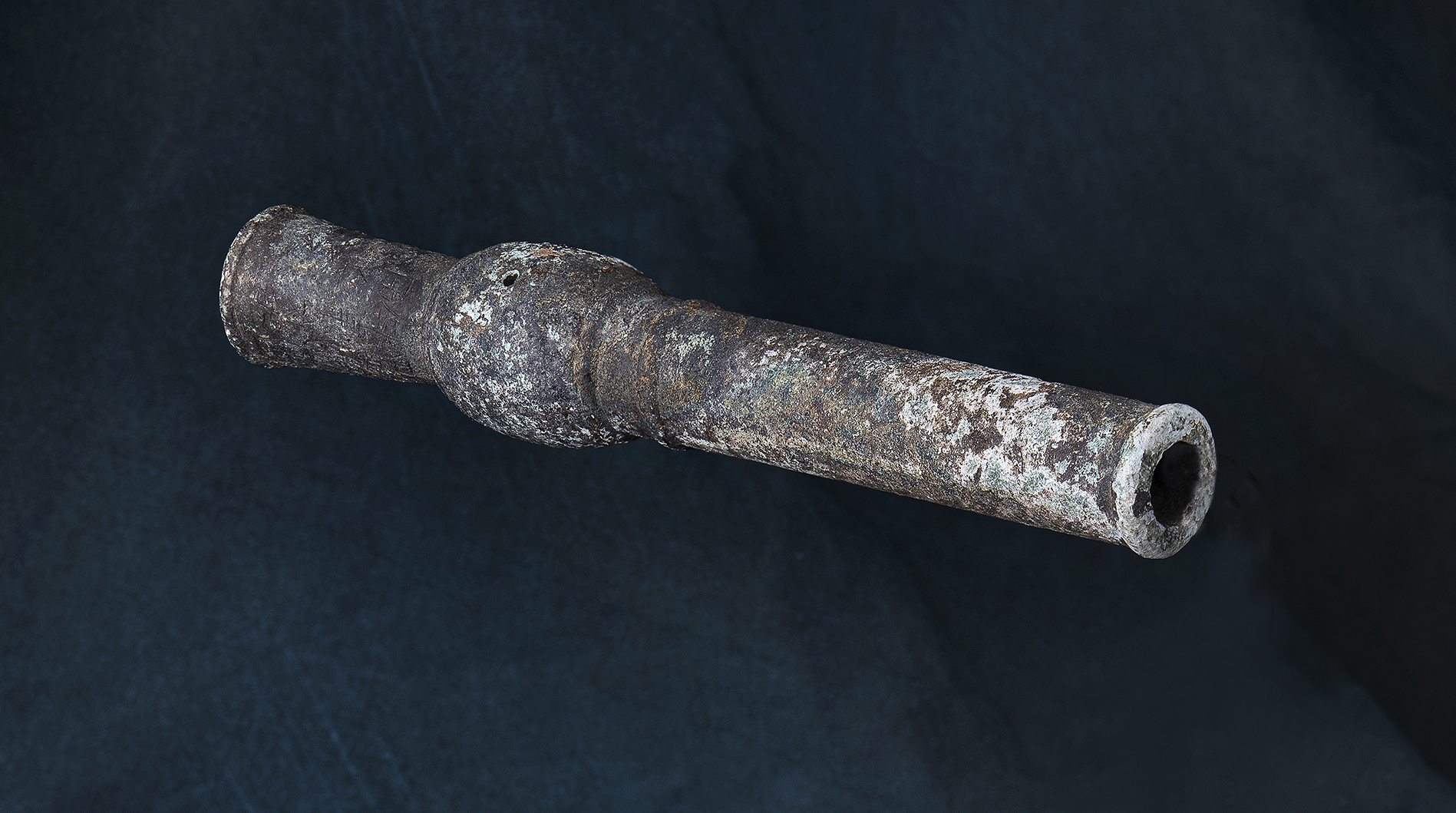
“Hwangja Hwatong,” a Gunpowder Weapon Found on Geumseongsan Mountain in Naju, Confirmed as Korea's Oldest Firearm
- Its 28-character inscription records the time of manufacture, the name of the weapon, its weight, the artisan who made it, and the supervising official -
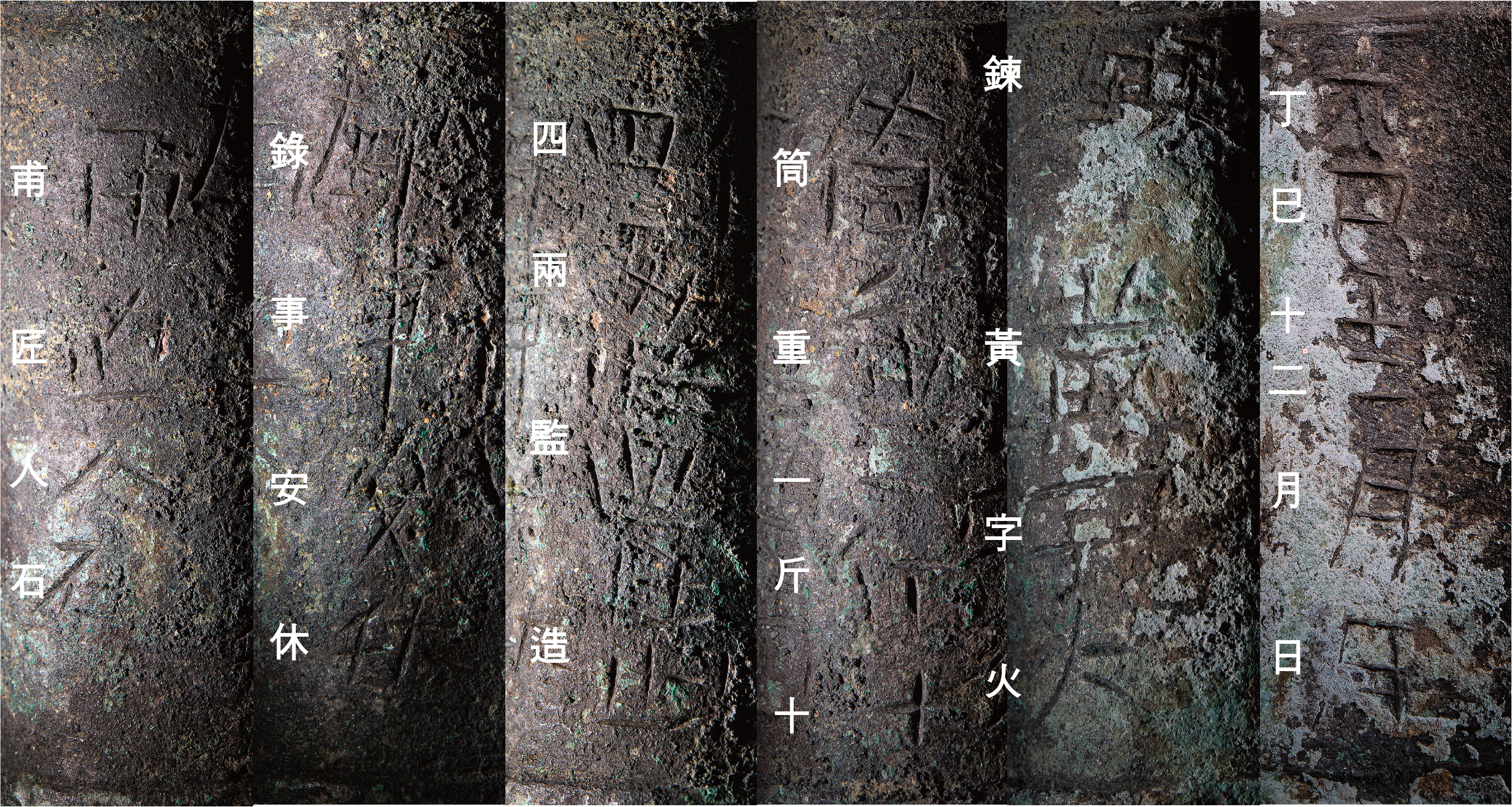
Archaeologists from the Naju National Research Institute of Cultural Heritage (Cho Mi Soon, Director General) will present its findings on the Hwangja Hwatong (黃字火筒), a gunpowder weapon found on Geumseongsan Mountain in Naju, at 10 a.m. on Monday, September 21, in the auditorium of the National Palace Museum of Korea. The 28 characters inscribed on its body record when it was made, along with its name, weight, and the names of the artisan and supervising official.
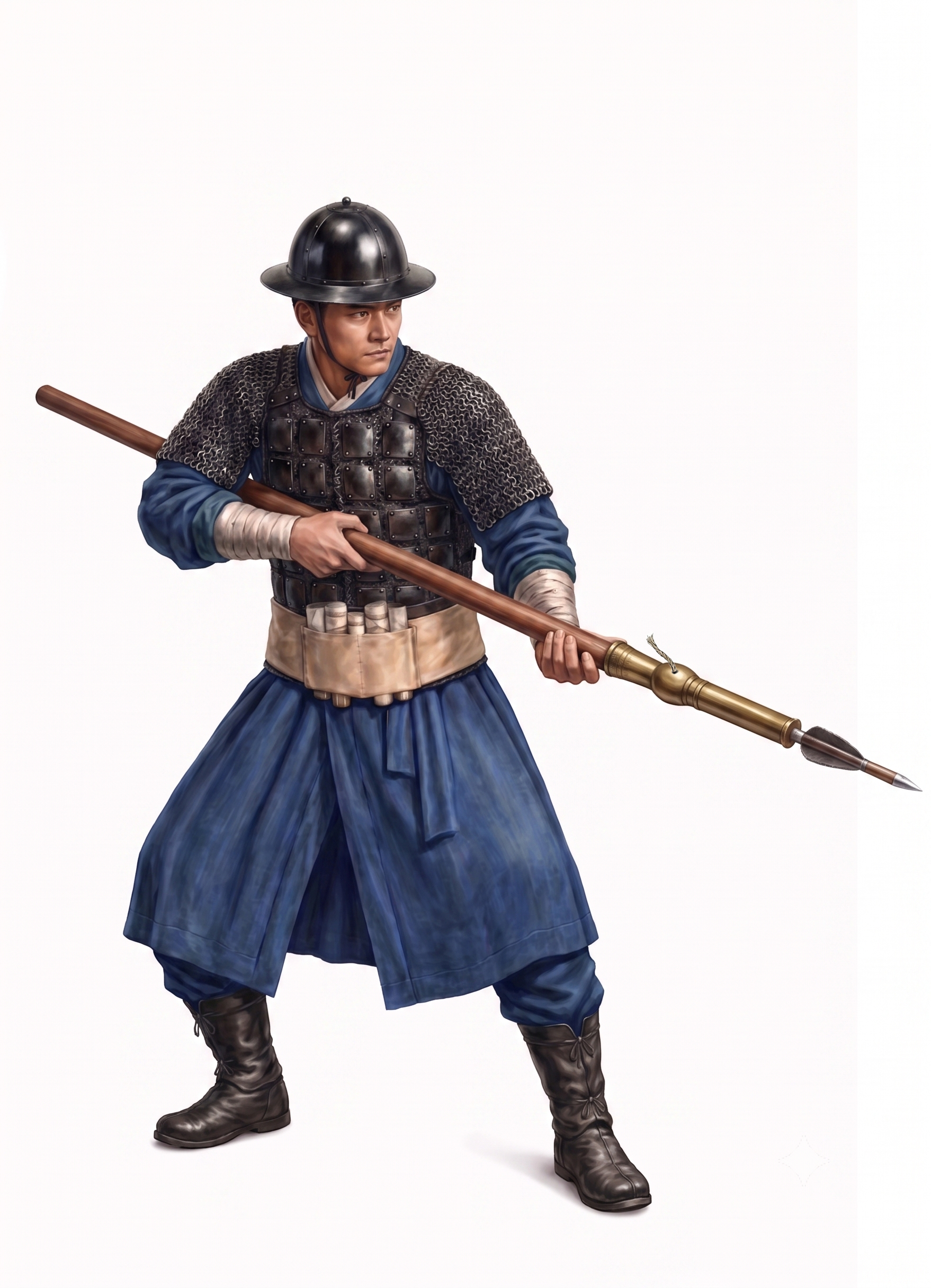
A hwatong (火筒), or “fire tube,” was a gunpowder weapon used to fire arrows or shot. With greater range and destructive power than the bow, it represented a new type of weaponry at the time. This piece was discovered by chance in November 2023 during a mine-detection sweep carried out ahead of trail construction on Geumseongsan Mountain in Naju. A small firearm, 23.75 cm long with a bore diameter of 1.66 cm and a weight of 1,032 g, it has since undergone three years of compositional analysis and expert review to verify its authenticity and time of manufacture.
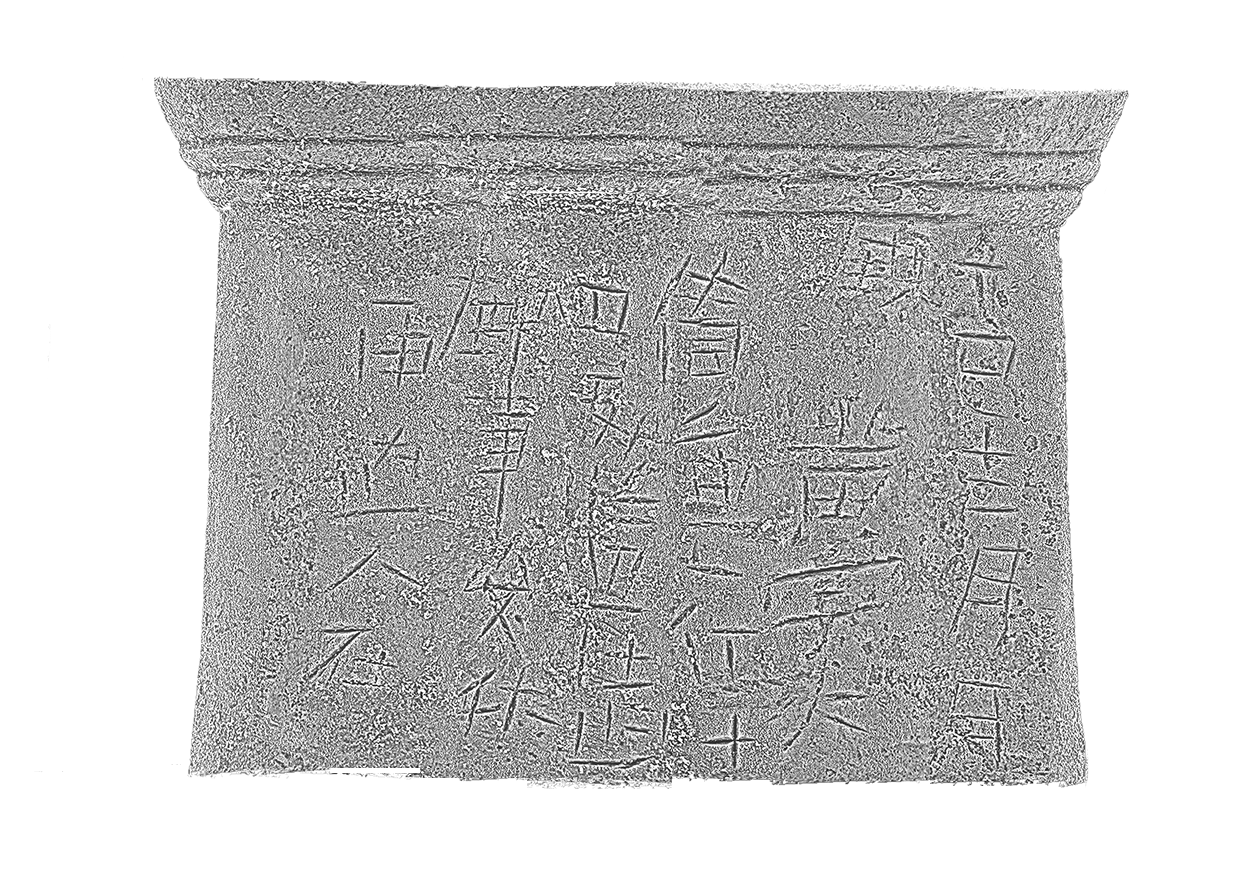
The Hwangja Hwatong bears 28 inscribed characters: 27 in six columns on the shaft socket, and one on the muzzle. The inscription on the socket has been deciphered as “丁巳十二月日 鍊 黃字火筒 重一斤十四兩 監造錄事安休甫 匠人石," which is interpreted to mean: “In the twelfth month of the Jeongsa year, the Hwangja Hwatong was made. Its weight is one geun and 14 nyang. Supervised by Noksa An Hyu-bo; made by the artisan Seok.” “Hwangja” (黃字) is a class designation following the order of characters in the Thousand Character Classic, and "Noksa” (錄事) was the title of the official who supervised the manufacture of the weapon.
* “Jeongsa” (丁巳) is a year designation in the traditional sexagenary cycle, while “geun” (斤) and “nyang” (兩) are traditional units of weight (1 geun = 16 nyang).
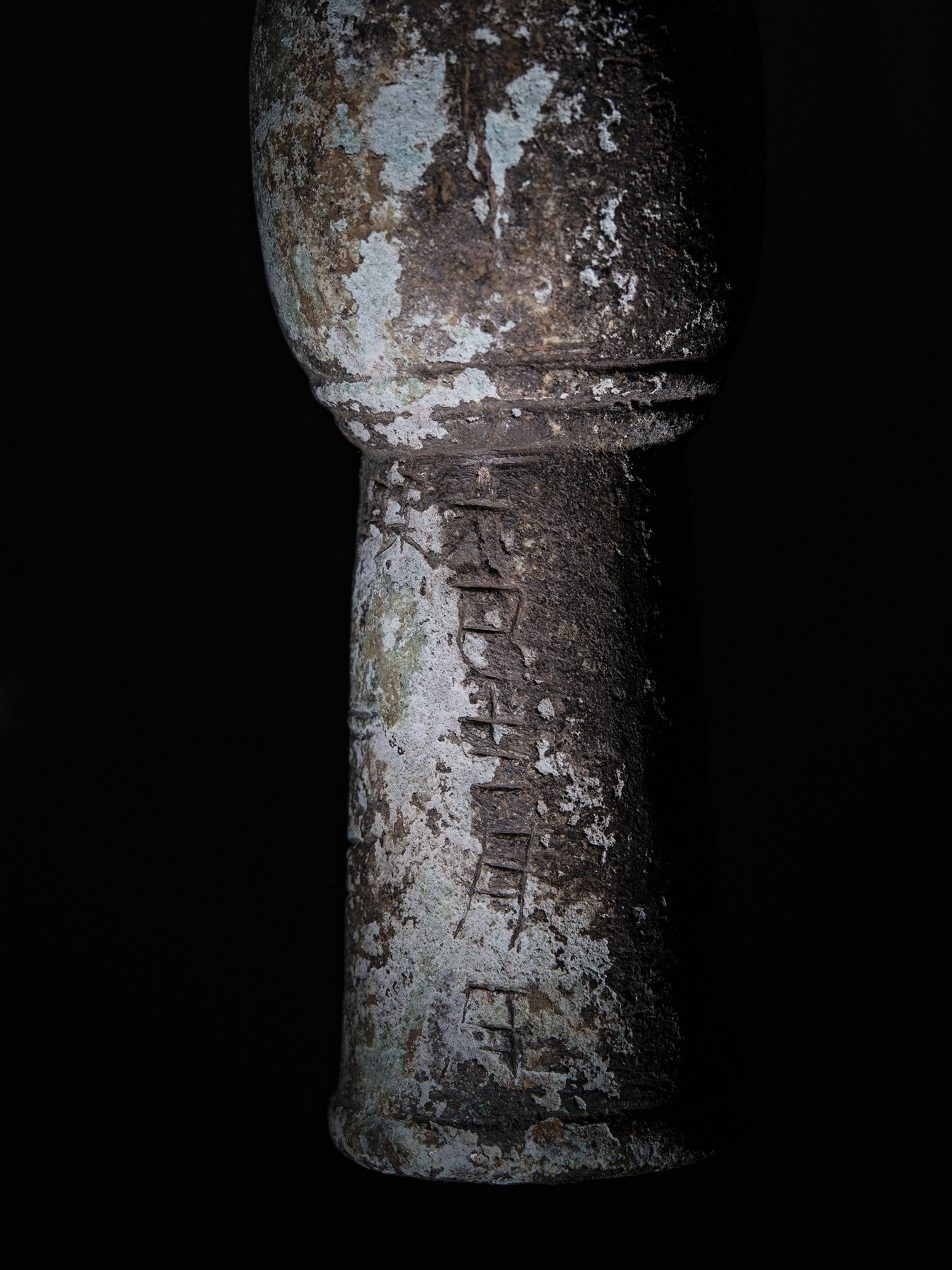
The Jeongsa year narrows to 1377, when the Hwatong Dogam, or Directorate of Gunpowder Weapons, was established (third year of King U of Goryeo), or 1437, during King Sejong's overhaul of firearms (nineteenth year of his reign). Either way, it is the earliest gunpowder weapon found in Korea. This dating is further supported by the round interior of the powder chamber, clearly unlike those of the improved firearms of Sejong's reign, and by analysis of its bronze composition, which revealed evidence consistent with traditional casting methods.
The greatest significance of the Hwangja Hwatong discovered on Geumseongsan Mountain in Naju is that it is the earliest gunpowder weapon surviving in Korea. The place where it was found is clearly identified, while the inscription establishes both the time of manufacture and the makers, giving it exceptional research value. Physical examples of gunpowder weapons from the late Goryeo and early Joseon periods are also exceedingly rare, making it highly valuable in terms of heritage as well.
The Naju National Research Institute of Cultural Heritage will unveil the Hwangja Hwatong at the National Palace Museum of Korea from September 23 to November 22, in a special exhibition of newly discovered artifacts.