• Mado No. 5 shipwreck, part of the same fleet as Mado No. 1, sunk in 1208
• Mado No. 6 shipwreck, the first identified vessel to sail from Gyeongsang-do
Archaeologists from the National Research Institute of Maritime Heritage, under the Korea Heritage Service (KHS), announced the discovery of a new Goryeo-period shipwreck, designated Mado No. 6, during underwater excavations off Mado Island in Taean.
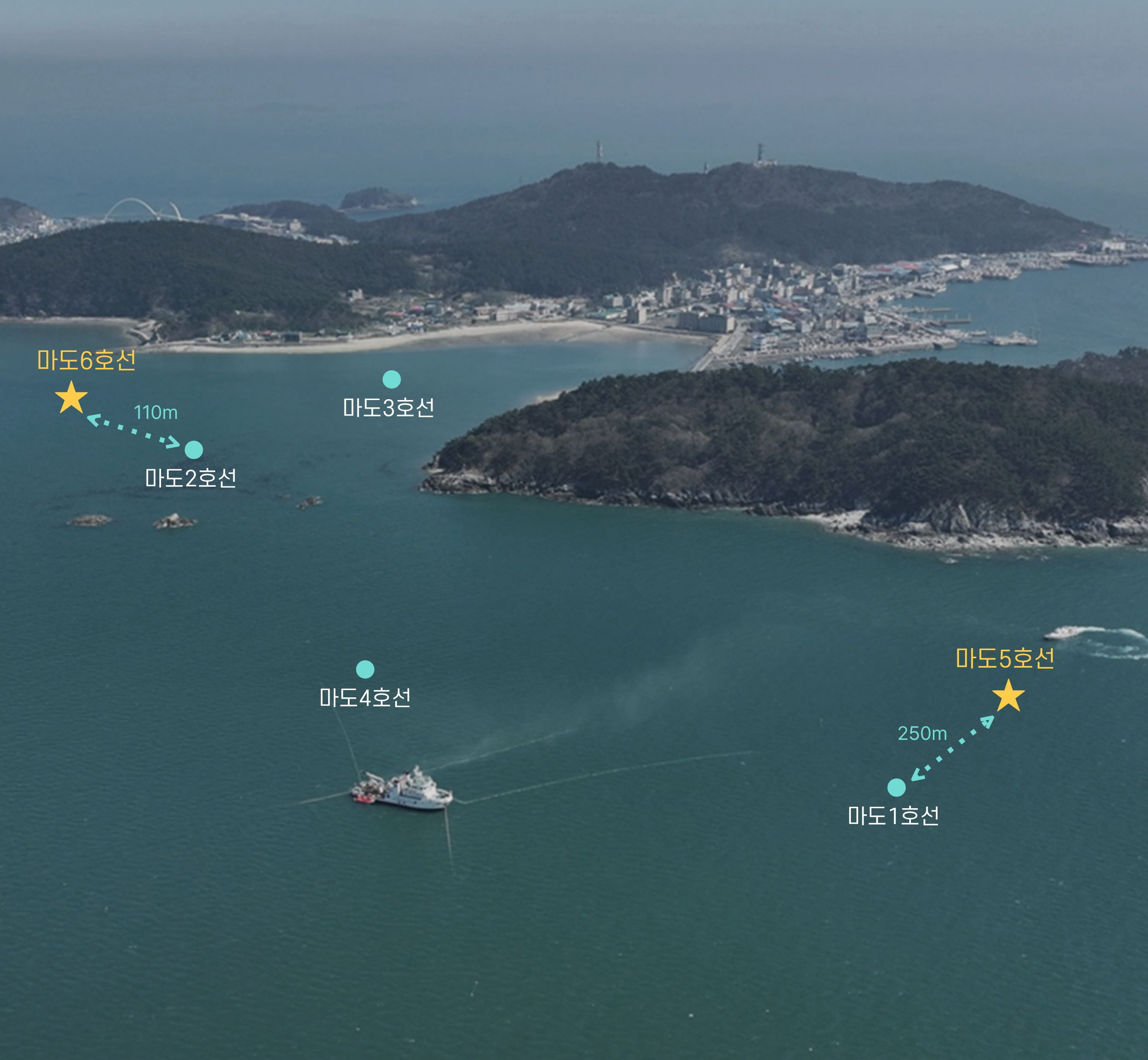
The institute, headed by General Director General Lee Eun-seok, is currently investigating the newly discovered shipwreck, following the confirmation of Mado No. 5, another shipwreck first detected last year.
Following the discovery of bundles of celadon vessels and fragments of a ship's hull in 2025, which suggested the presence of a fifth shipwreck (Mado No. 5) in the waters off Taean, full-scale underwater excavations began this year.
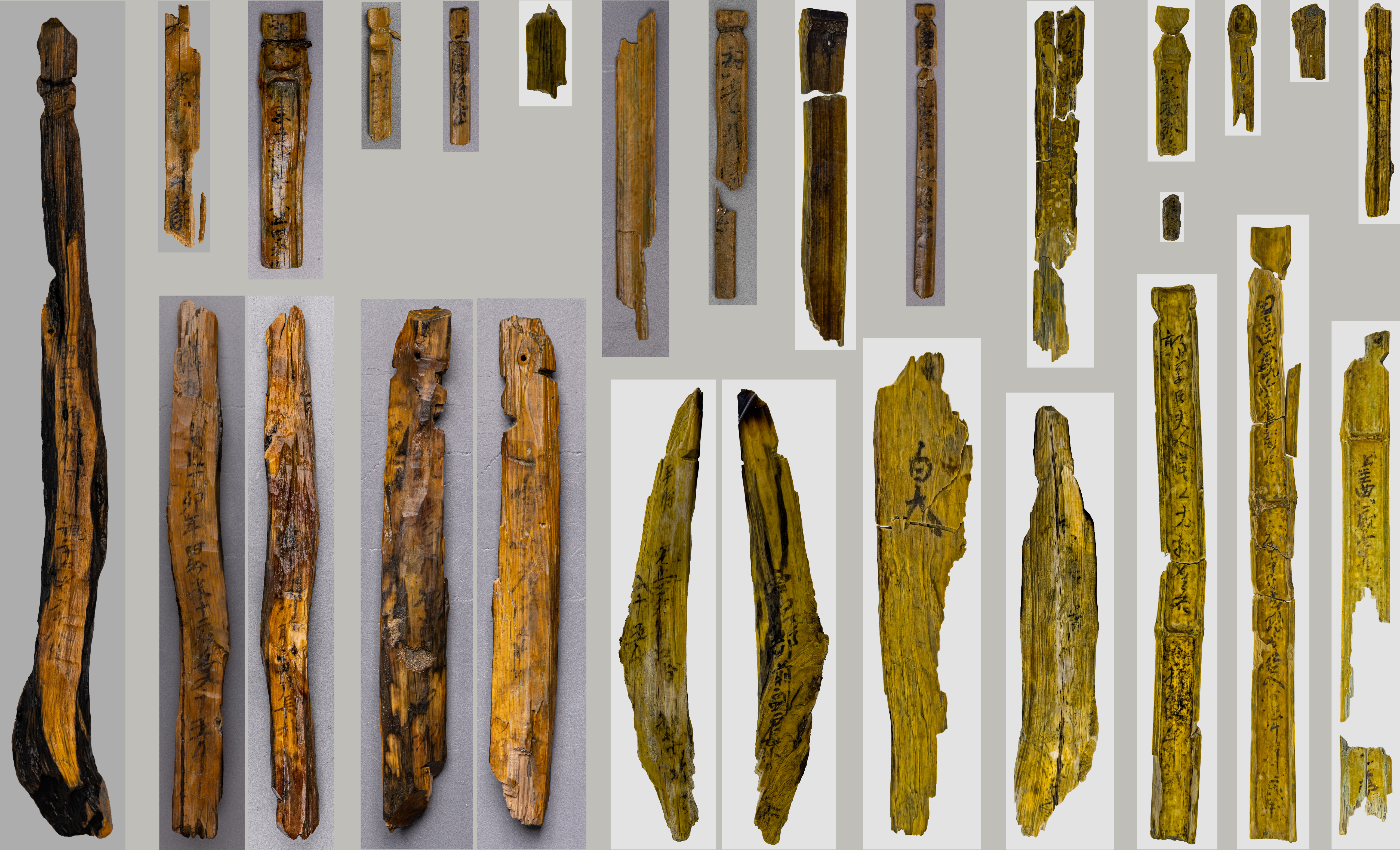
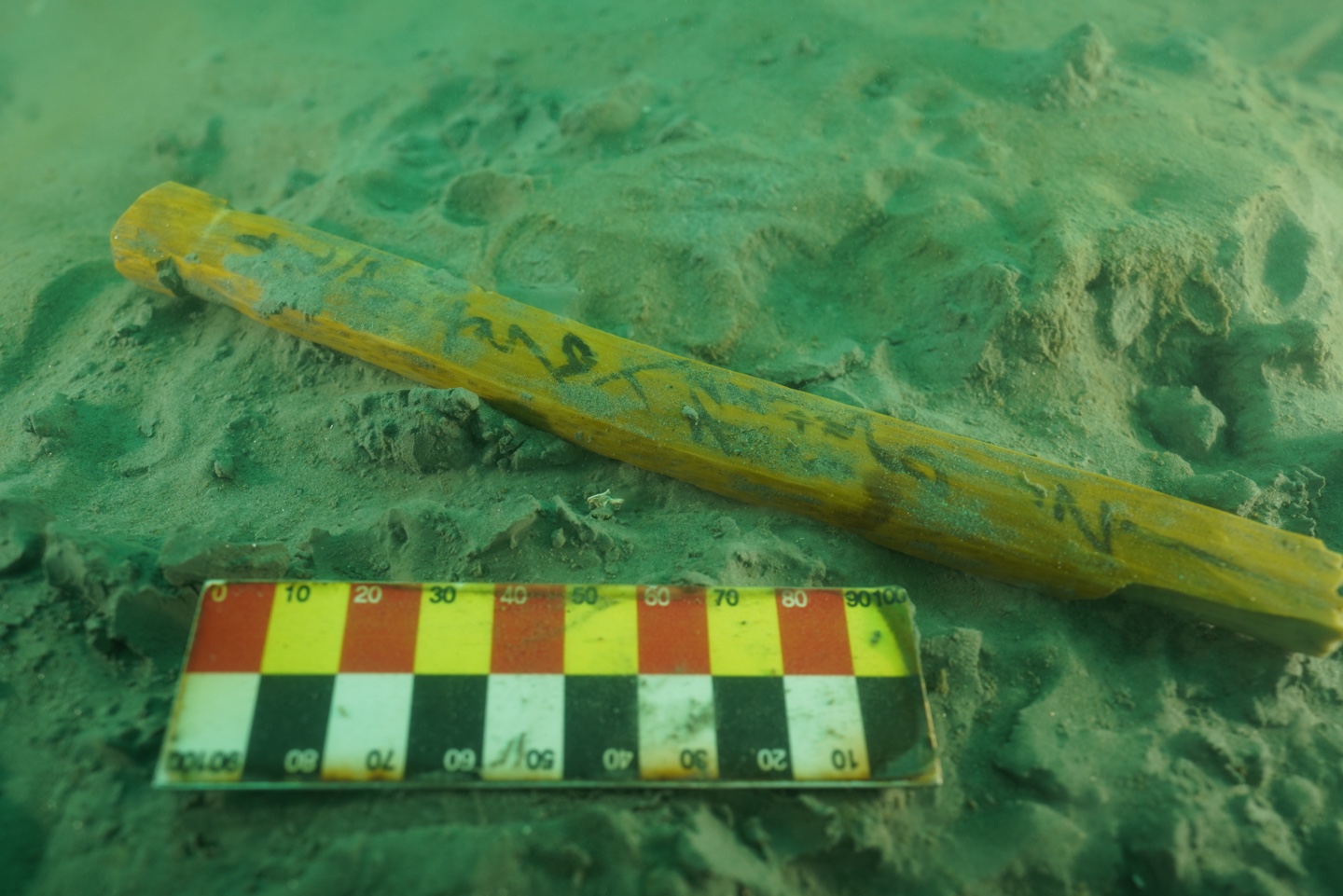
The excavations yielded 54 artifacts, including ship components and equipment such as a stone anchor, cylindrical wooden timbers, and ropes, as well as rice-straw sacks carried as cargo and a bronze jar used in daily shipboard life . Most significantly, the discovery of 26 wooden tablets recording details of the cargo provided crucial evidence for establishing the identity and nature of Mado No. 5.
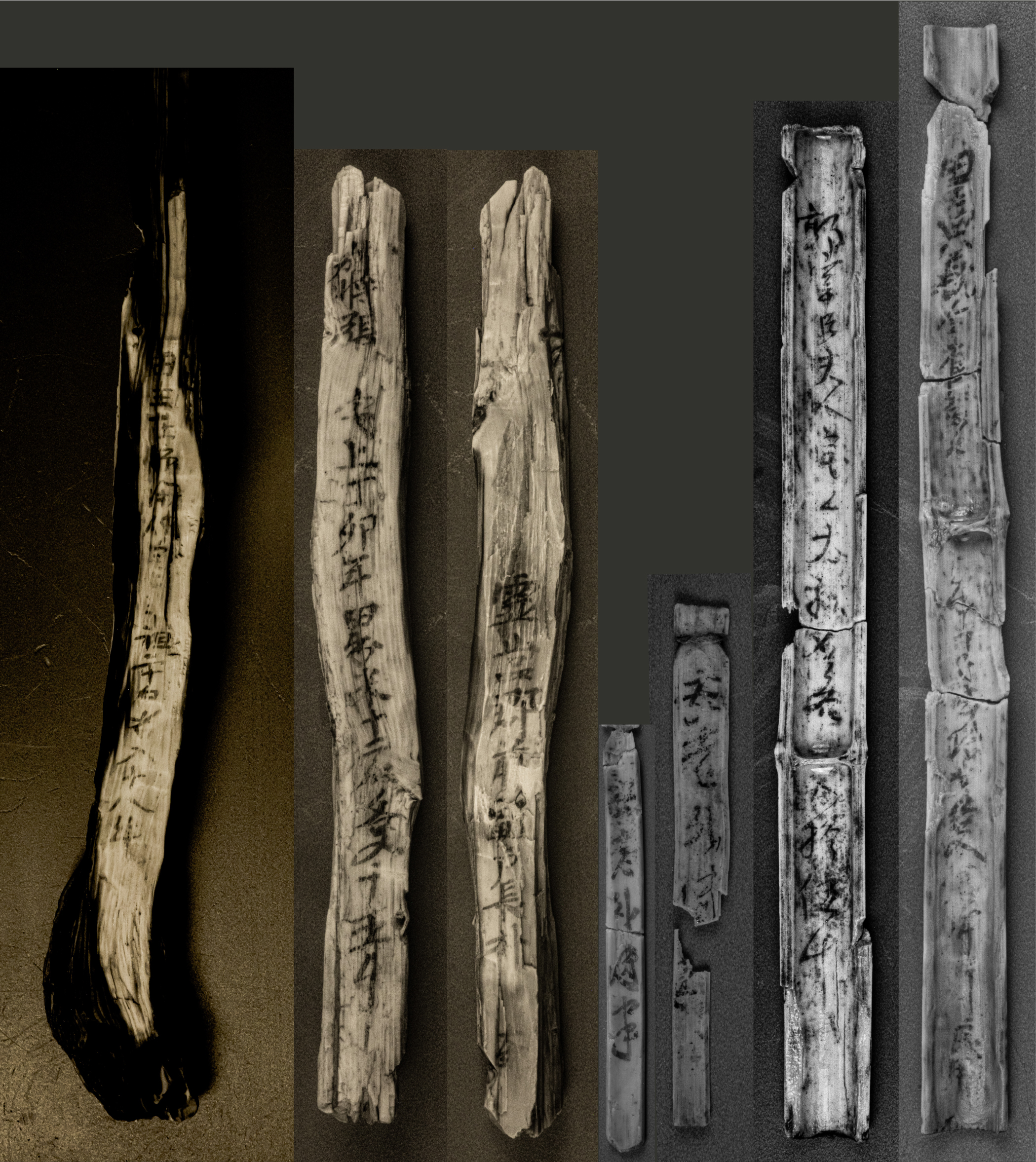
The wooden tablets recovered from Mado No. 5 bear the inscriptions “Jeongmyo Year” (丁卯年) and “Twelfth Lunar Month of the Jeongmyo Year” (丁卯十二月), indicating when the cargo was collected. Based on radiocarbon dating of associated organic materials, which places them between the mid-twelfth and early thirteenth centuries, together with the dating of the celadon vessels, researchers have concluded that the Jeongmyo year refers to 1207.

The twelfth lunar month of that year corresponds roughly to January 1208 in the Gregorian calendar, when harsh winter conditions would generally have made sea voyages impractical. Mado No. 5 therefore most likely set sail in the spring of 1208, the Mujin Year (戊辰年).
The inscriptions also identify Yeongam-gun (靈巖郡, present-day Yeongam-eup) and Anno-hyeon (安老縣, present-day Geumjeong-myeon, Yeongam-gun) as the locations from which the cargo was sent. Its destination was Gaegyeong, the capital of Goryeo at the time.
Mado No. 5 is similar in nature to Mado No. 1, a shipwreck excavated in 2009. Mado No. 1 also sank in 1208 while en route to Gaegyeong, having collected its cargo in 1207. The cargo had been sent from several locations in southwestern Jeolla-do Province: Juksan-hyeon (竹山縣, present-day Haenam), Hoejin-hyeon (會津縣, present-day Naju), Suryeong-hyeon (遂寧縣, present-day Jangheung), and Anno-hyeon (安老縣, present-day Yeongam).
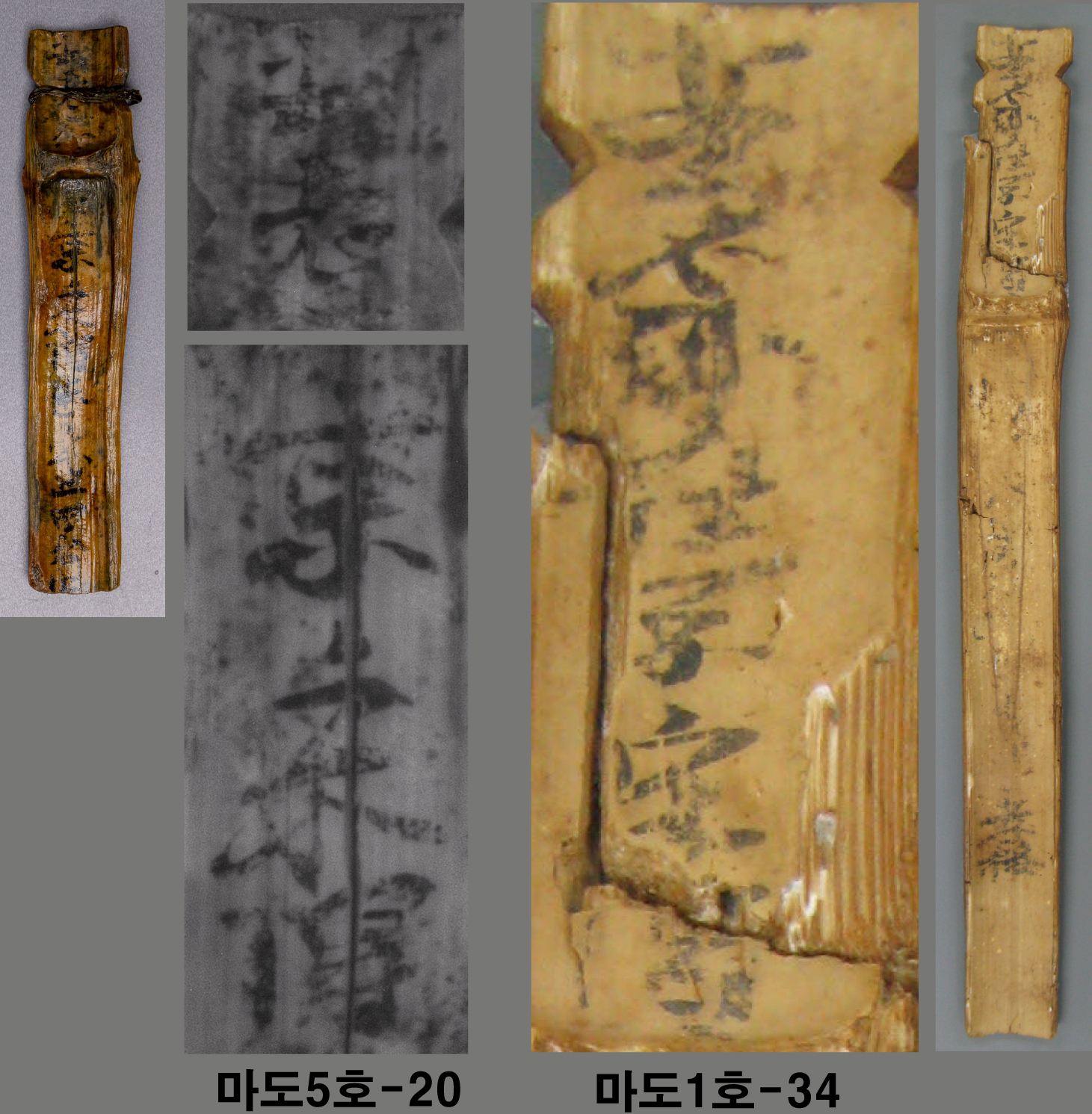
Notably, a wooden tablets (No. 5-20) recovered from Mado No. 5, identifying a shipment from Anno-hyeon to an individual named Song Deuk-deok (宋得德) in Gaegyeong, is nearly identical in handwriting and content to a wooden tablet (No. 1-34) recovered from Mado No. 1, also associated with a shipment from Anno-hyeon. Researchers believe the two tablets were written by the same person.
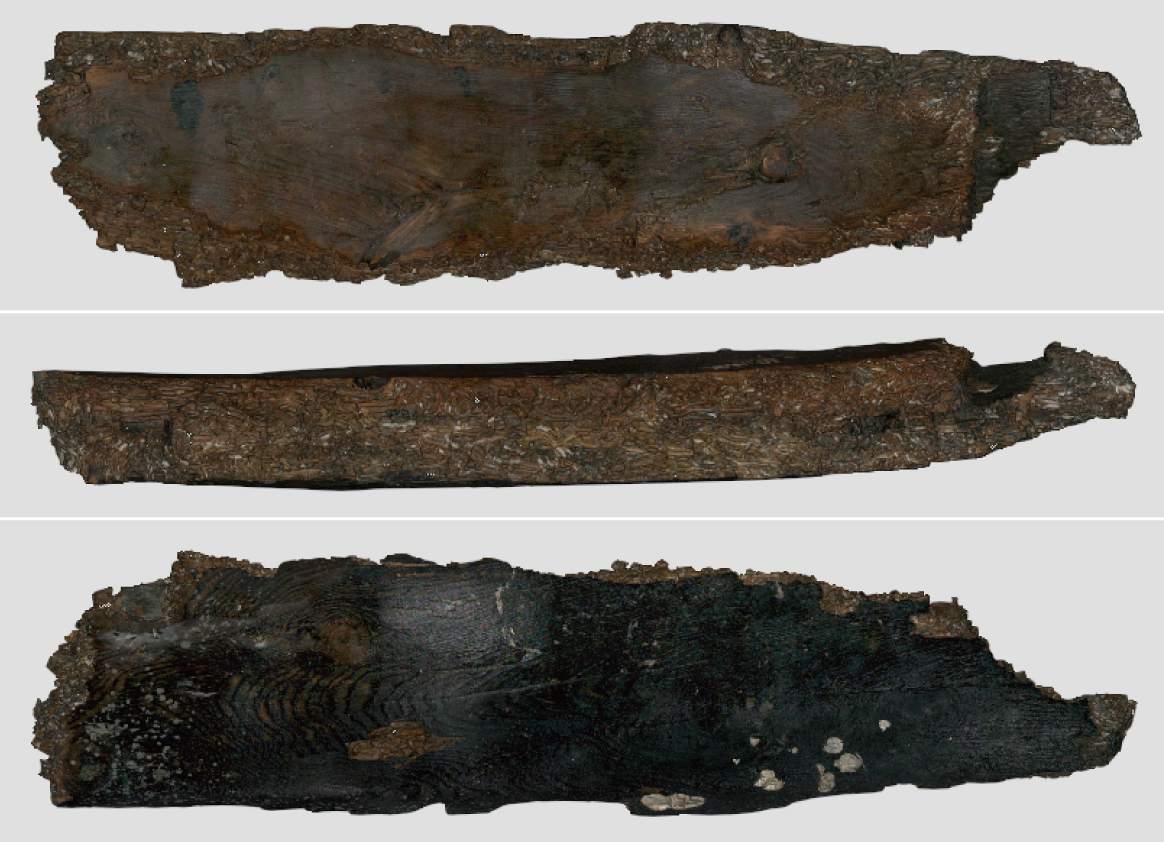
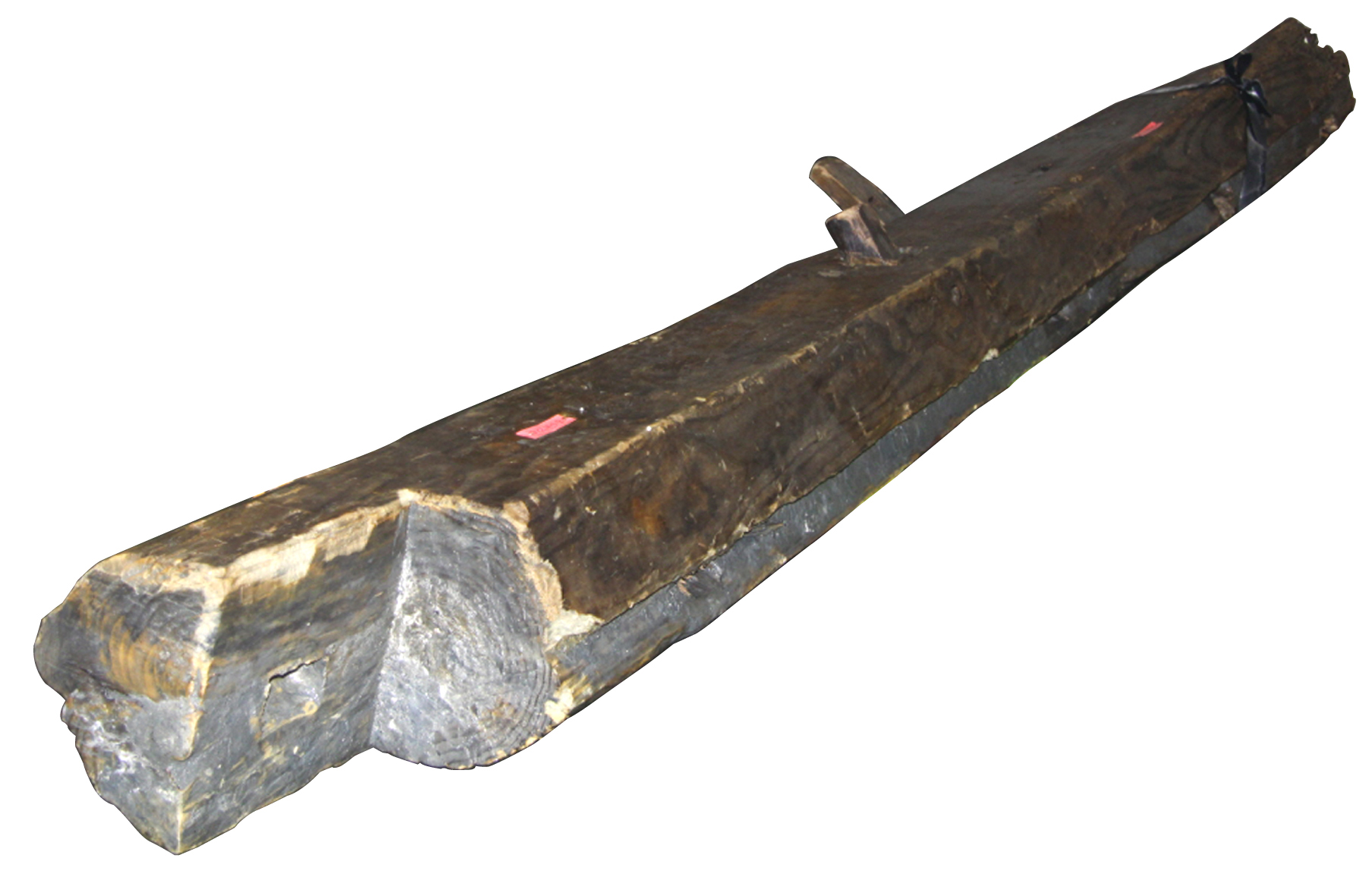
Based on the inscriptions on the wooden tablets, the finds from Mado No. 5 could also be interpreted as belonging to Mado No. 1.
However, the two shipwreck sites are approximately 250 meters apart, only some of the locations from which Mado No. 1's cargo was shipped are mentioned on the wooden tablets from Mado No. 5, and the outer hull planking of the two vessels differs.
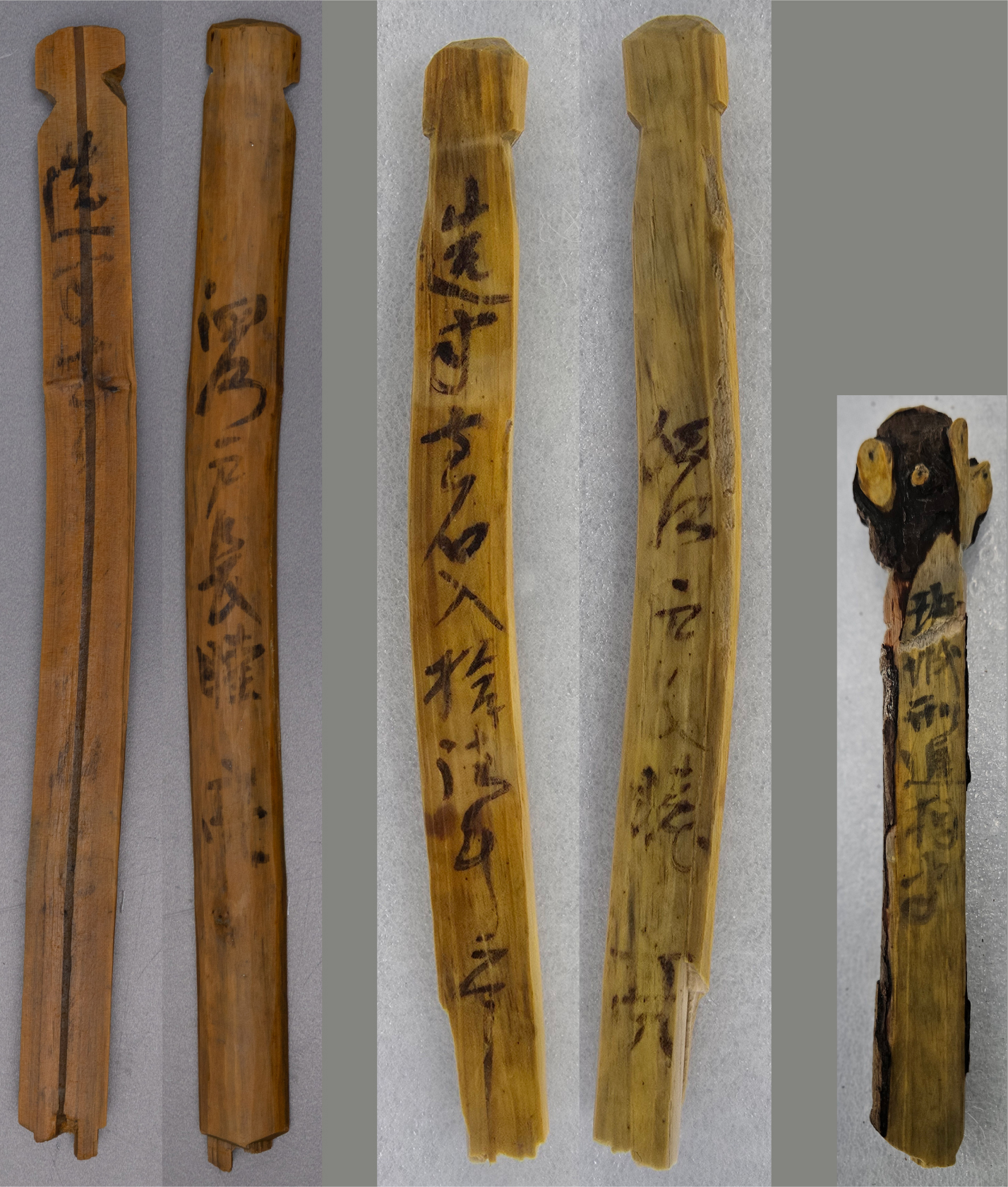
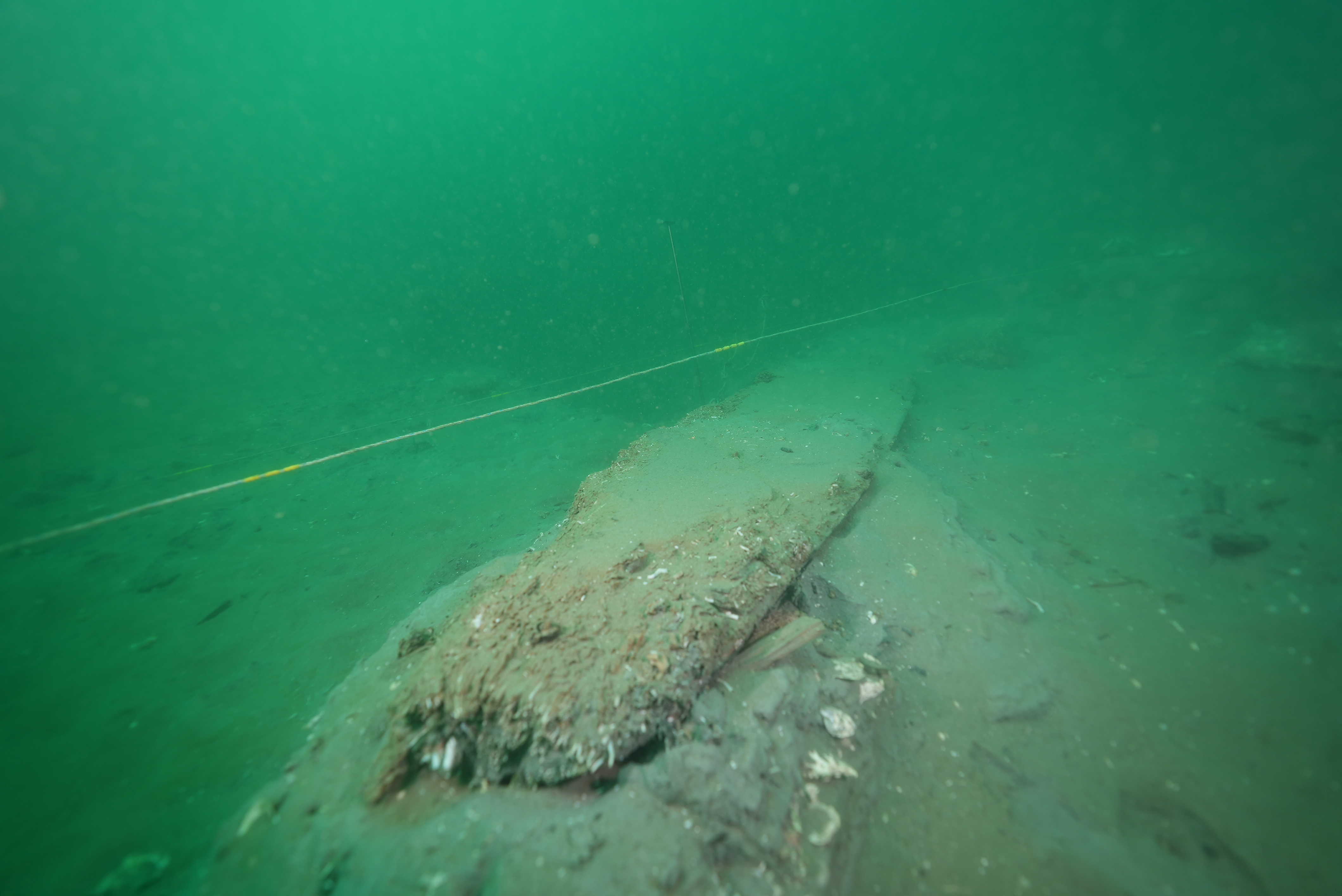
Researchers therefore believe that Mado No. 1 and Mado No. 5 belonged to the same fleet, carrying separate portions of cargo from southwestern Jeolla-do Province to Gaegyeong in the spring of 1208.
Both ships are thought to have encountered severe weather and sunk in the waters off Mado Island in Taean.
Meanwhile, an investigation of an anomaly detected through sub-bottom acoustic profiling revealed evidence of another buried shipwreck.
A test excavation approximately 100 meters east of Mado No. 2 uncovered some 20 Goryeo-period artifacts, including a celadon oil bottle, a stoneware kundika (ritual water vessel), wooden tags, rice-straw sacks, and wooden supports for cargo. Of particular significance are two wooden tags bearing the inscriptions “Saju Hojang Mok Ryang” (泗州戶長睦亮) and “Banseong Hyeong Ji[?] Mi” (班城邢遲□米).
The inscriptions identify the senders of the cargo as Mok Ryang, a hojang (head of the local administrative clerks) in Saju, and an individual named Hyeong Ji[?] from Banseong (present-day Banseong-myeon, Jinju). Present-day Sacheon in Gyeongsangnam-do Province, Saju was home to Tongyangchang (通陽倉), one of 13 government warehouses used to store grain taxes during the Goryeo period.
Although the remains of the ship itself have yet to be found, the discovery is particularly significant as the first identified shipwreck associated with a vessel that departed from Gyeongsang-do Province.
The National Research Institute of Maritime Heritage plans to continue excavations at the Mado No. 5 site in 2027, while focusing on a more extensive investigation of the newly discovered shipwreck believed to have departed from Sacheon in the Gyeongsang-do region to establish its nature and historical significance.
As Korea's only institution specializing in underwater cultural heritage excavation, the institute will continue its efforts to uncover the nation's submerged cultural heritage and promote greater international awareness of Korea's rich maritime heritage.
'maritime archaeology' 카테고리의 다른 글
| 계속 쪼아대니 결국은 찾아낸다! 목간이 살려낸 마도 해역 5호선 발굴 (0) | 2026.11.04 |
|---|---|
| 태안 마도 해역에서 또 고려 난파선 발굴, 5·6호선 두 척 동시 출현 (0) | 2026.11.04 |
| 펭귄 기름 짜다 남아메리카 최남단서 침몰한 19세기 선박 잔해 발견 (0) | 2026.10.29 |
| 군산 선유도 해역 발굴조사 보고서 종합판 발간 (0) | 2026.10.27 |
| 로마 시대 "유령 난파선" 67년 만에 리구아나 해안서 재발견, 고대 와인 암포라 출수 (0) | 2026.10.27 |


댓글