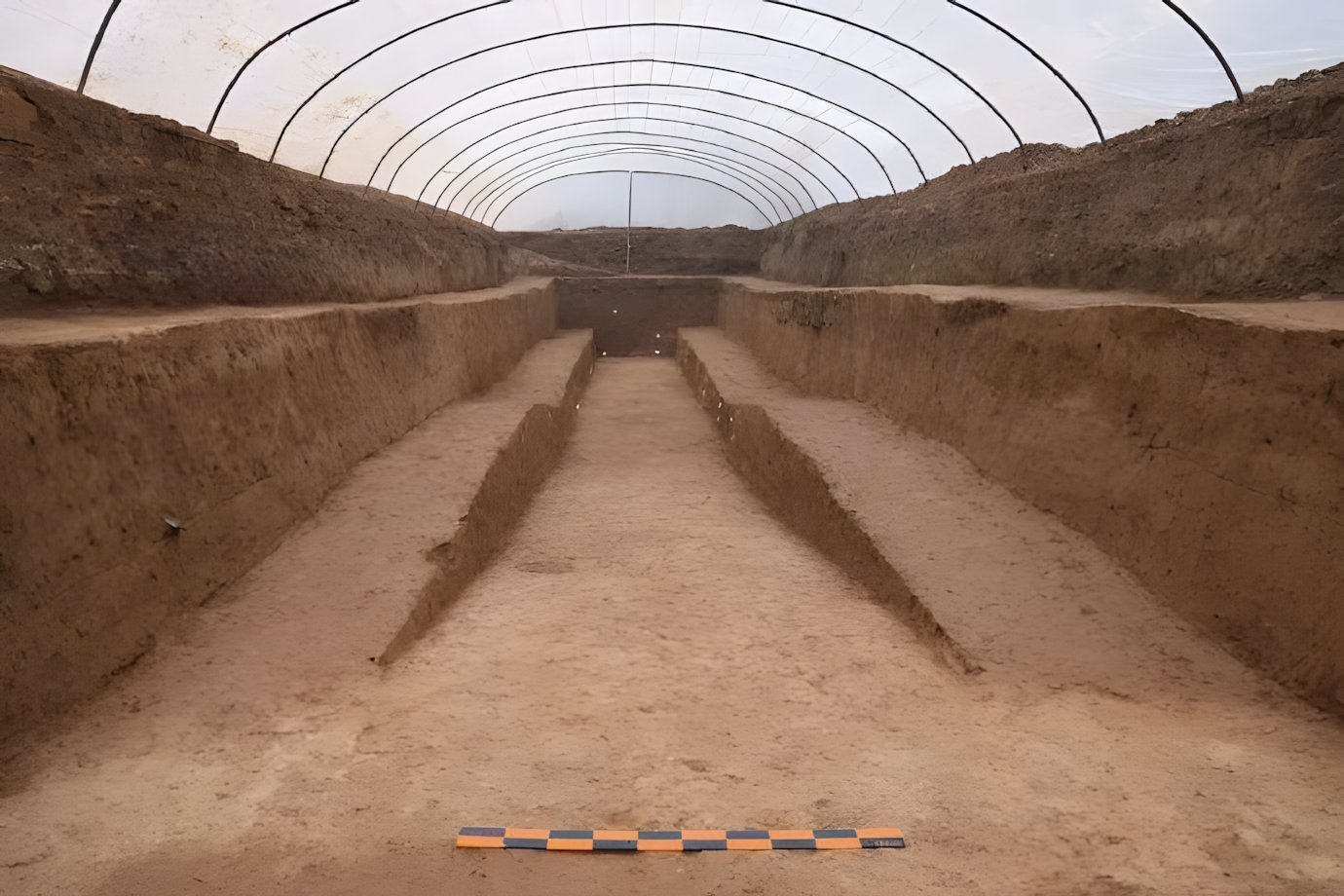
12월 22일, 아방궁阿房宫 및 상림원上林苑 고고학 발굴팀이 2025년 아방궁 유적 발굴에서 중요한 발견을 발표했다.
발굴 지역 내에서 아방궁 기단 남쪽 경계 위치를 정확히 파악하고, 기단이 연속적인 토사층 위에 세워졌음을 확인했으며, 처음으로 다짐토 건축 기본 과정을 명확하게 밝혀냈다.
아방궁 유적은 섬서성 서안시西安市 서함신구西咸新区 풍동신성沣东新城에 위치한 진秦나라 황궁으로, 기원전 212년(진시황 재위 35년) 위하渭河 남쪽 상림원에다 착공되었다.
기록에 따르면 아방궁 건설은 진시황 이후 중단되었다고 한다.
2025년, 고고학 발굴팀은 아방궁 기단 중앙 동쪽 부분에서 약 1,000제곱미터 규모 발굴지를 선정해 조사를 진행했다.
이 발굴을 통해 아방궁 기단 남쪽 가장자리가 기존 복원 위치에서 북쪽으로 약 32미터 이동했으며, 직선으로 분포되어 있지 않다는 사실이 밝혀졌다.
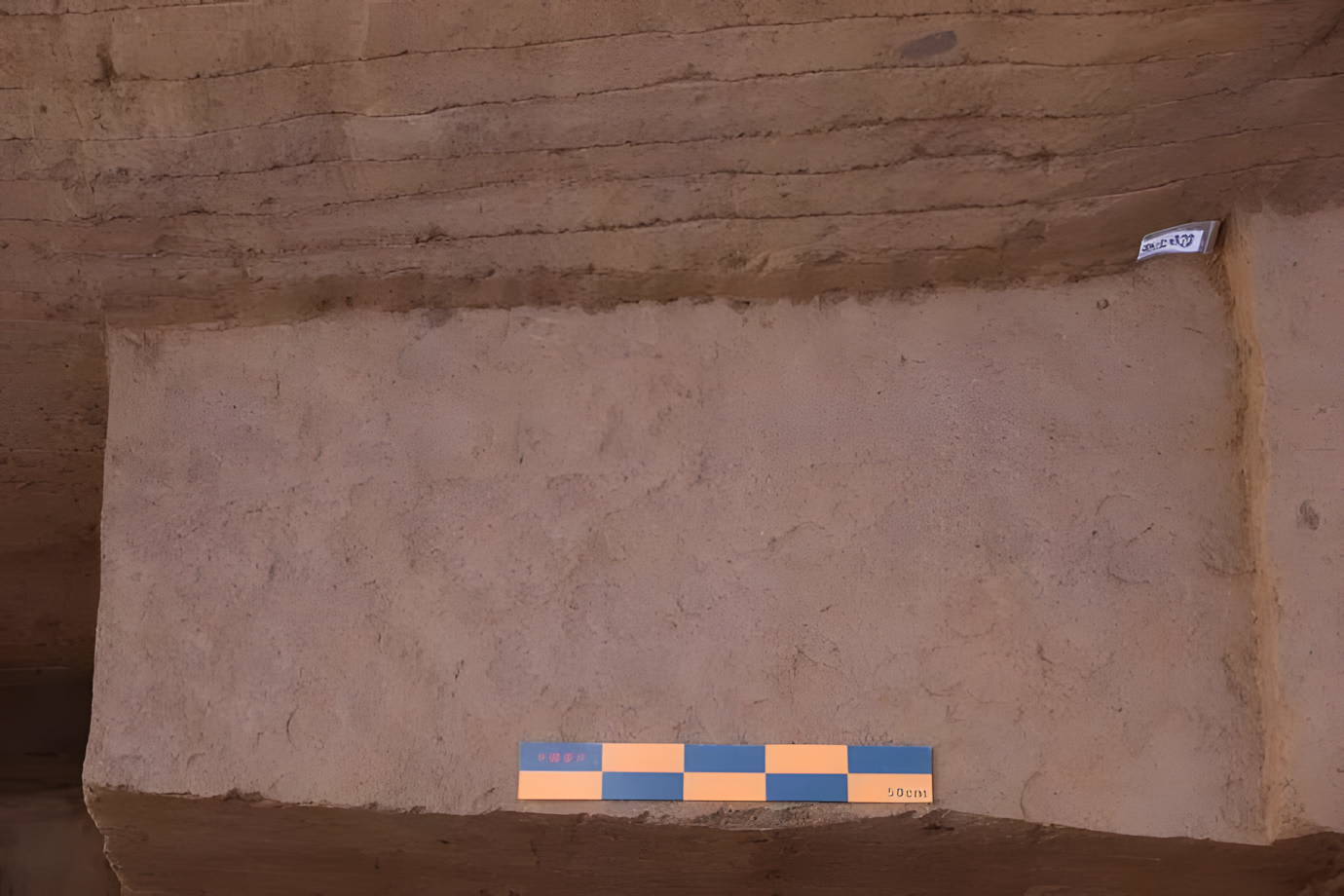
또한 기단이 0.5~0.6미터 두께 검은색 미사층 위에 건설되었다는 점이 확인되었는데, 이는 건설 이전에 해당 지역이 습지였음을 시사하며, 건설 당시 장인들이 미사를 고르게 다지기 위해 처리 과정을 거쳤음을 보여준다.
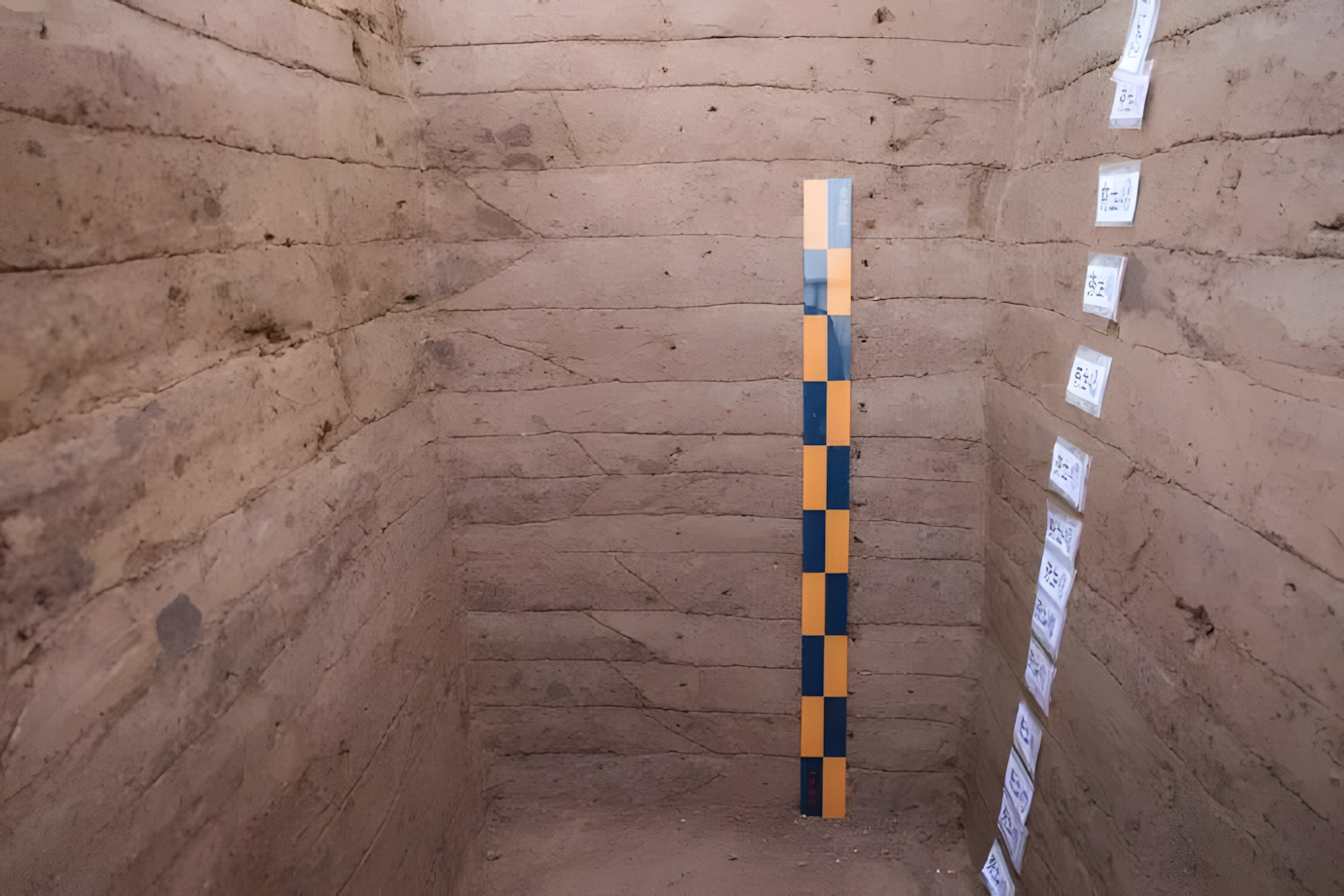
이번 발굴에서는 또한 처음으로 다짐흙 건축 방식이 드러났다.
고인 물을 빼내고, 미사를 제거하고, 구역별로 다지고, 흙을 운반하여 단단한 표면을 만들고, 북쪽에서 남쪽으로 단계적으로 기단을 연결하는 등의 과정이 진행되었다.
구역별 건설 단계에서의 관리 흔적도 발견되었다.
12月22日,阿房宫与上林苑考古队公布消息,2025年阿房宫遗址考古取得重要收获,确定了发掘区内阿房宫台基南缘的准确位置,证实了阿房宫台基起建于连续淤泥之上,并首次清晰揭示出阿房宫台基夯筑的基本流程。
阿房宫遗址位于陕西省西安市西咸新区沣东新城,是秦始皇三十五年(公元前212年)开始在渭南上林苑中选址营建的秦帝国朝宫。据记载,随着秦朝二世而亡,阿房宫的营建被迫终止。2025年考古队在阿房宫台基中部偏东择点开展考古发掘,发掘面积约1000平方米。
此次发掘确定阿房宫台基南缘较此前复原位置北移约32米,且非直线分布;证实台基建于0.5-0.6米厚的黑色淤泥之上,营建前此地为湿地或湖沼,工匠曾对淤泥做“同厚性”处理。同时首次清晰揭示夯筑流程:排干积水、清理淤泥、分块夯筑、运土形成硬面、南北向分步合龙,还发现分区施工的管理痕迹。
On December 22, the Epang Palace and Shanglin Garden archaeological team announced significant findings from the Epang Palace site archaeological excavation in 2025.
They pinpointed the precise location of the southern edge of the Epang Palace platform within the excavation area, confirmed that the platform was built on continuous silt, and for the first time clearly revealed the basic process of its rammed earth construction.
The Epang Palace site is located in Fengdong New City, Xixian New Area, Xi'an, Shaanxi Province.
It was the Qin Empire's imperial palace, begun in 212 BC (the 35th year of Qin Shi Huang's reign) in the Shanglin Garden south of the Wei River.
According to records, construction of the Epang Palace was forced to stop after the Qin Dynasty's second emperor.
In 2025, an archaeological team selected a site in the central-eastern part of the Epang Palace platform to conduct an excavation, covering an area of approximately 1,000 square meters.
This excavation determined that the southern edge of the Epang Palace platform had shifted approximately 32 meters north from its previously reconstructed position and was not linearly distributed.
It confirmed that the platform was built on a 0.5-0.6 meter thick layer of black silt, indicating that the site was a wetland or marshland before construction, and that the craftsmen had treated the silt to achieve a uniform thickness.
The excavation also revealed for the first time the rammed earth construction process: draining accumulated water, clearing silt, ramming in sections, transporting soil to form a hard surface, and merging the platform in stages from north to south.
Traces of management during the zoned construction phase were also discovered.
'NEWS & THESIS' 카테고리의 다른 글
| 산서성 최근 5년 주요 고고학 발굴 성과 (0) | 2025.12.26 |
|---|---|
| 사슴 사냥 궁수 표현한 춘추전국시대 월나라 도기 (0) | 2025.12.26 |
| 1,400년 전 기독교 성지 순례 관광용품 찍어낸 거푸집 유대사막서 발견 (0) | 2025.12.26 |
| 과테말라 마야 도시서 모자이크 파톨리 게임판 발견 (1) | 2025.12.26 |
| 아프리카펭귄들 남아프리카 해안서 집단 폐사 (0) | 2025.12.26 |


댓글