2025년 3월, 국가문물관리국 승인을 받아 광동성문물고고연구원广东省文物考古研究院을 비롯한 여러 기관이 혜주惠州 박라현博罗县 나량 유지罗阳遗址(총면적 500제곱미터)에 대한 긴급 발굴 조사를 실시했다.
나부산罗浮山 남쪽 기슭 충적 평야에 자리 잡은 이 유적은 은강 가마터银岗窑址群, 매화돈 가마터梅花墩窑址와 함께 춘추전국시대 공예품과 주거지가 복합적으로 형성된 곳이다.
잦은 태풍, 높은 지하수위, 깊은 지층 등 여러 어려움에 직면했지만, 발굴팀은 혁신적인 방법으로 전기식 보호 가마와 과학적인 배수 시스템을 도입하여 2.5미터 깊이 문화층 발굴을 원활하게 진행했으며, 이는 영남岭南 지역 유사 유적 발굴에 참고가 될 것이다.
이번 발굴 층위 순서는 명확하며, 아래에서 위로 춘추시대 말부터 전국시대 초기, 전국시대, 송나라, 명청시대 네 시기로 나눌 수 있다.
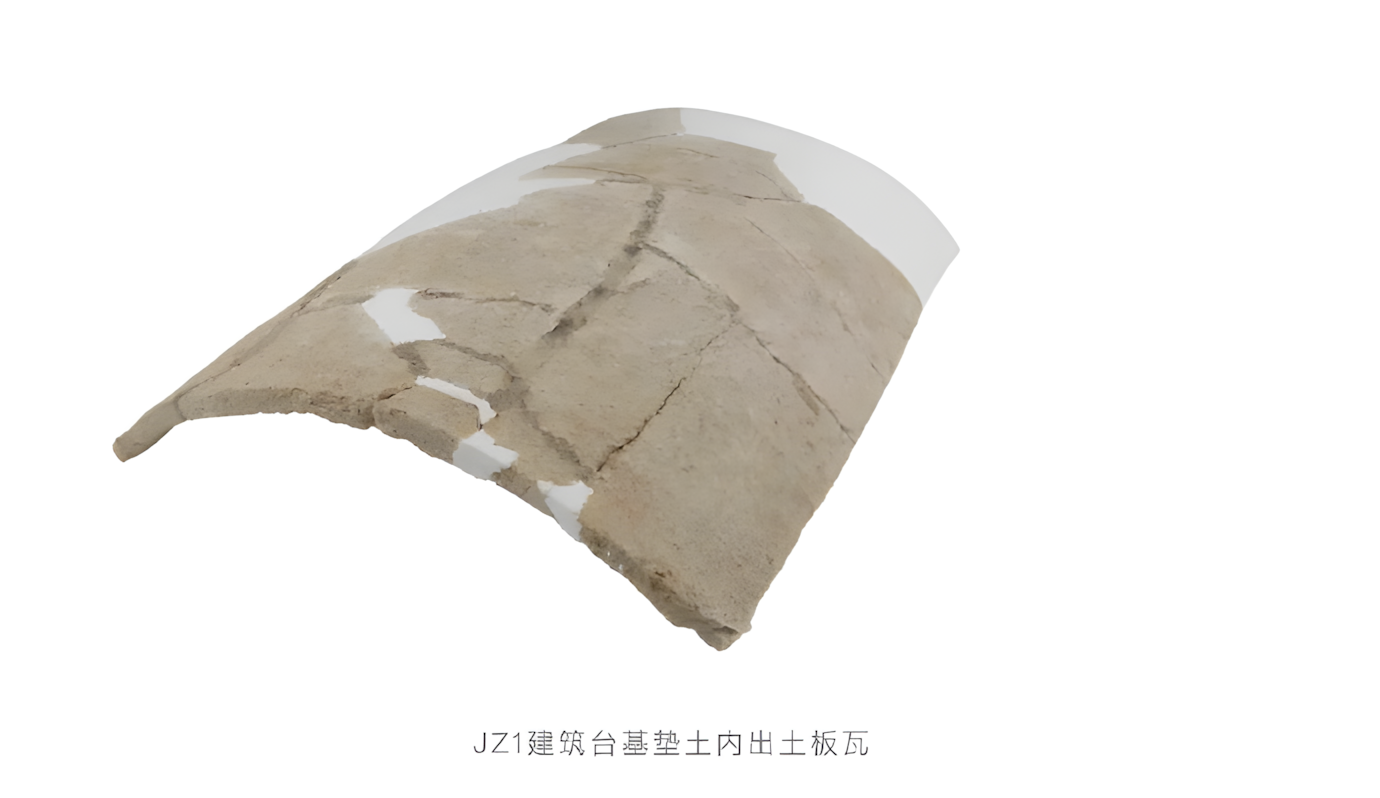
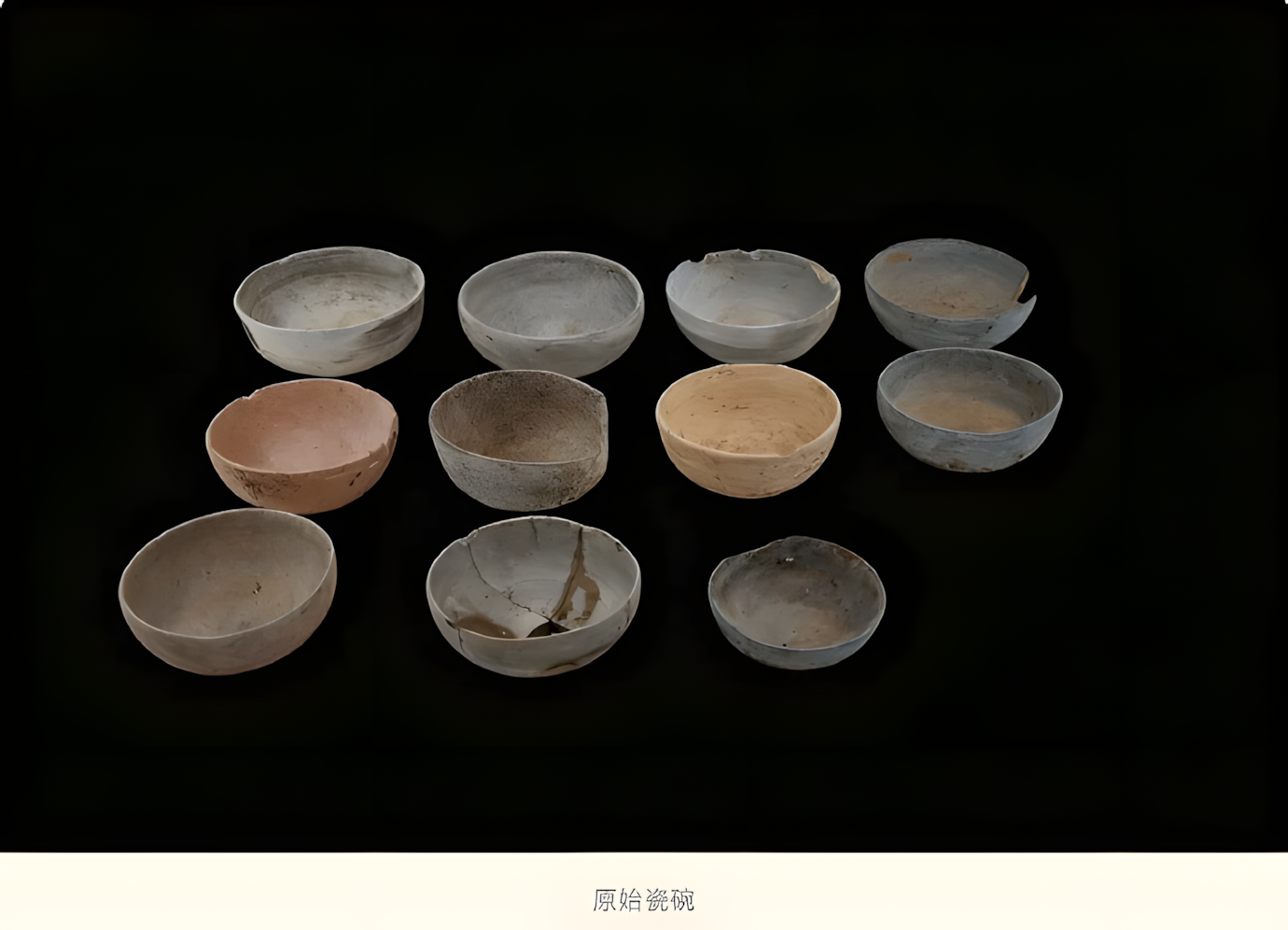
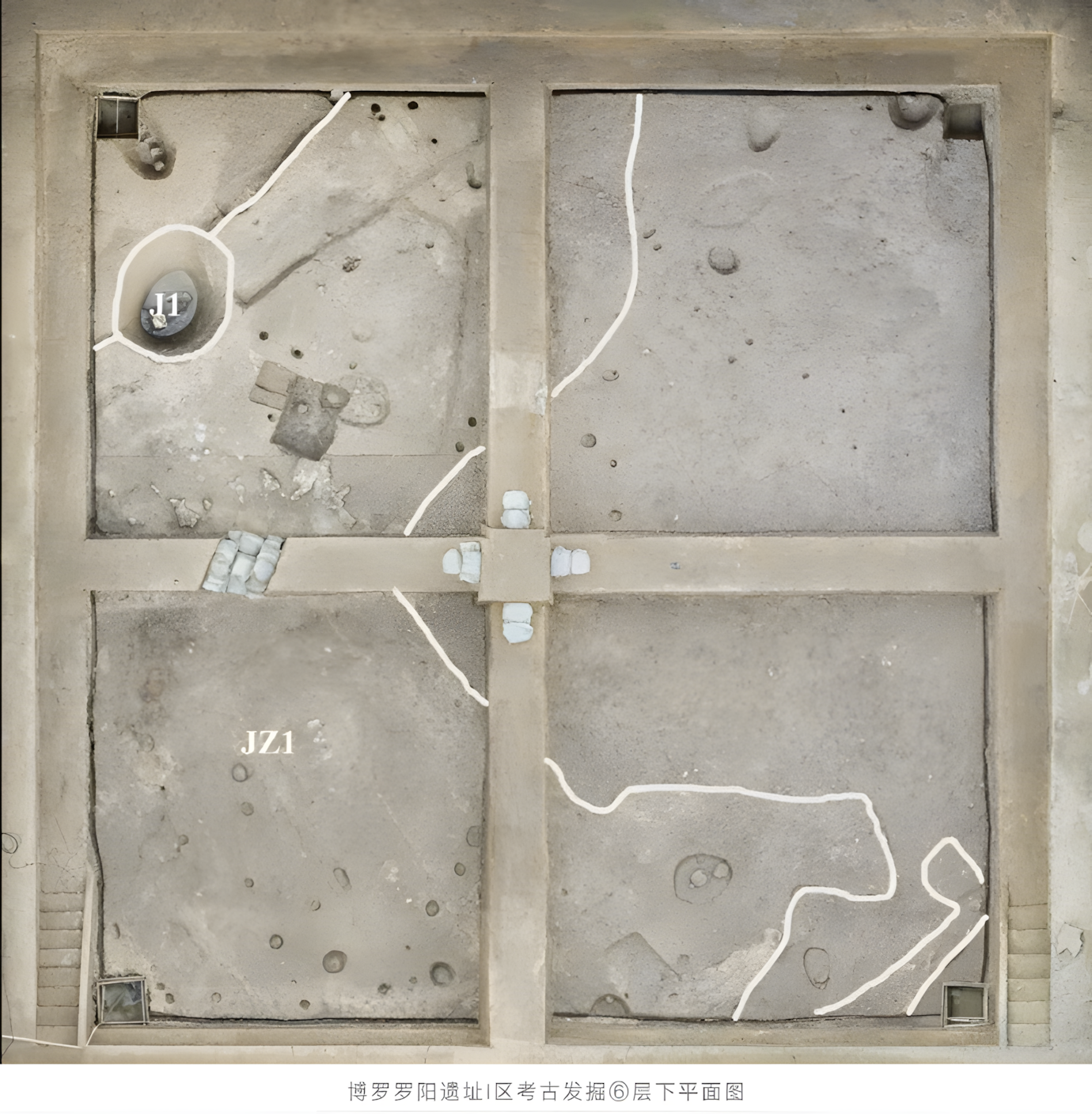
발굴 현장에서는 850점 이상 유물과 400상자 이상 도토기 파편이 출토되었으며, 대형 U자형 단상 건물 기초와 전국시대 우물을 포함한 194점 유구가 발견되었다.
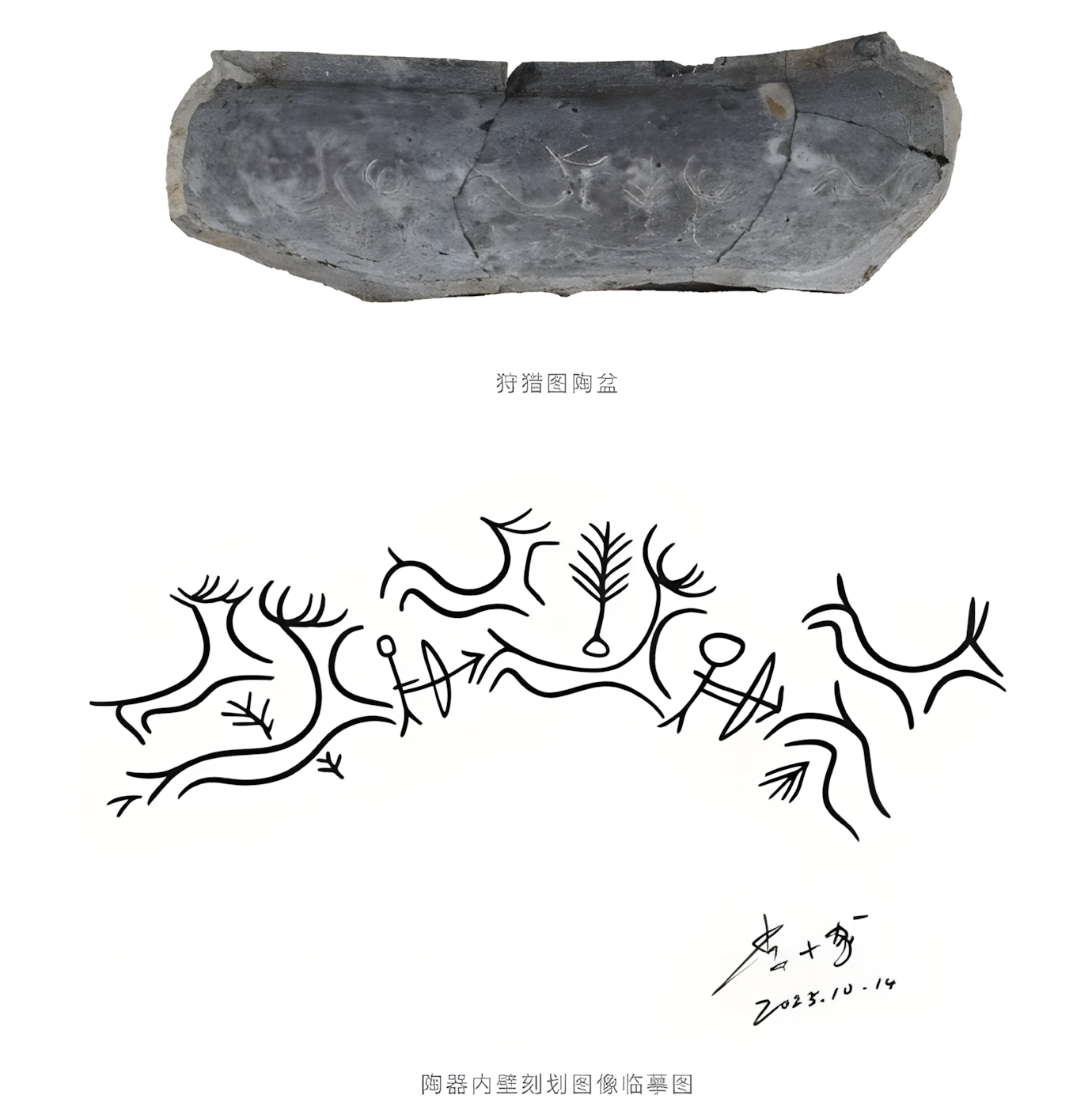
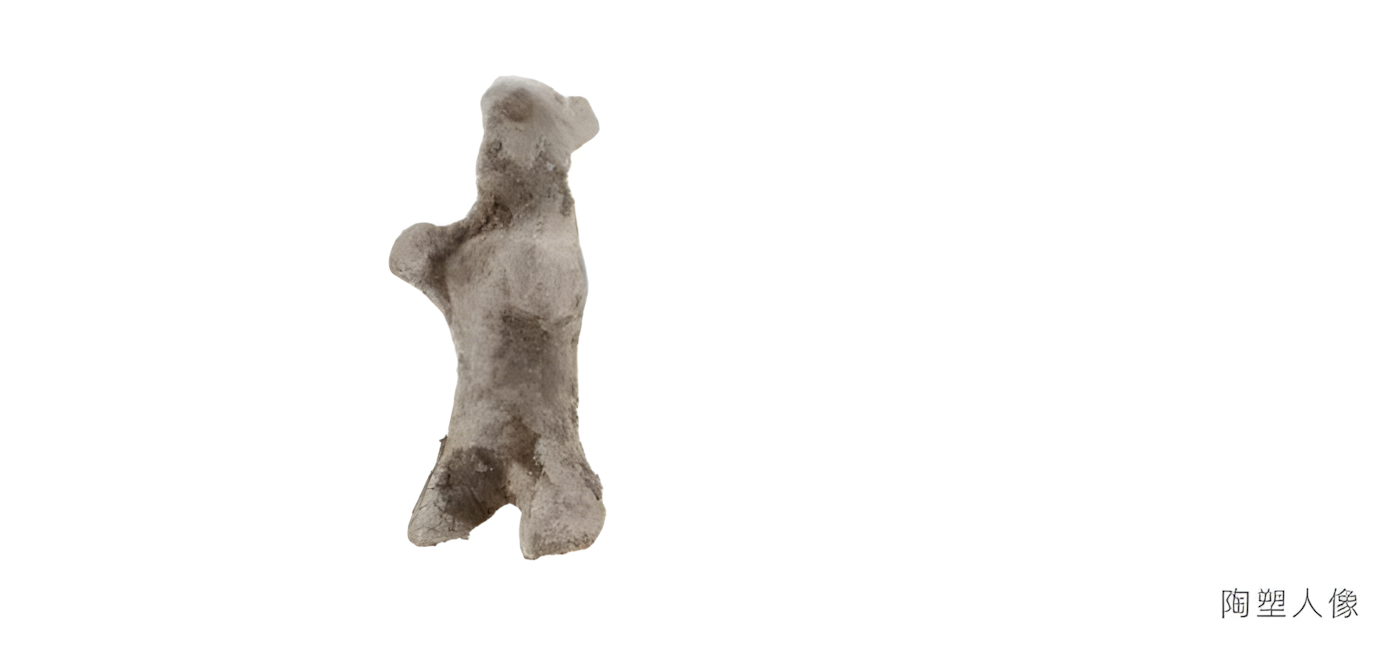
발굴된 유물 중에는 사냥 장면狩猎纹을 그린 도기 조각과 고대 월나라 사람들이 흔히 사용한 '퇴결기주魋结箕厨' 형상 도기 인형이 특히 귀중한 자료로, 고대 월나라 사람들 생활상을 보여주는 구체적인 증거를 제공한다.
이 유적 발굴은 영남 지역의 중국화 과정, 지역별 정착 양상, 그리고 다양하면서도 통일된 중국 민족의 양상을 연구하는 데 있어 견고한 물적 토대를 제공한다.
[위치를 보면 광주 동북쪽이다]
百度地图
map.baidu.com
2025年3月,经国家文物局批准,广东省文物考古研究院等单位对惠州博罗县罗阳遗址实施抢救性发掘,发掘面积共计500平方米。该遗址地处罗浮山南麓冲积平原,与银岗窑址群、梅花墩窑址构成春秋战国时期手工业与聚落复合体。面对台风频发、地下水位高、地层深埋等挑战,考古工作队创新采用了电动防护大棚与科学排水体系,确保深埋2.5米的文化层发掘顺利推进,为岭南同类遗址发掘提供借鉴。此次发掘的地层堆积序列清晰,自下而上可分为春秋晚期至战国早期、战国时期、宋代及明清现代四个时期。遗址发掘出土文物标本850余件、陶片400余箱;发掘遗迹194处,包括“凹”字形大型台基式建筑基址、战国水井等。在出土遗物中,“狩猎纹”图像的陶盆残件、古越人典型的“魋结箕倨”形象陶塑人像等文物极具价值,实证了古越人的生活形态。该遗址的发掘为研究岭南“中国化”进程、区域聚落形态及中华民族多元一体格局提供了坚实实物基础。
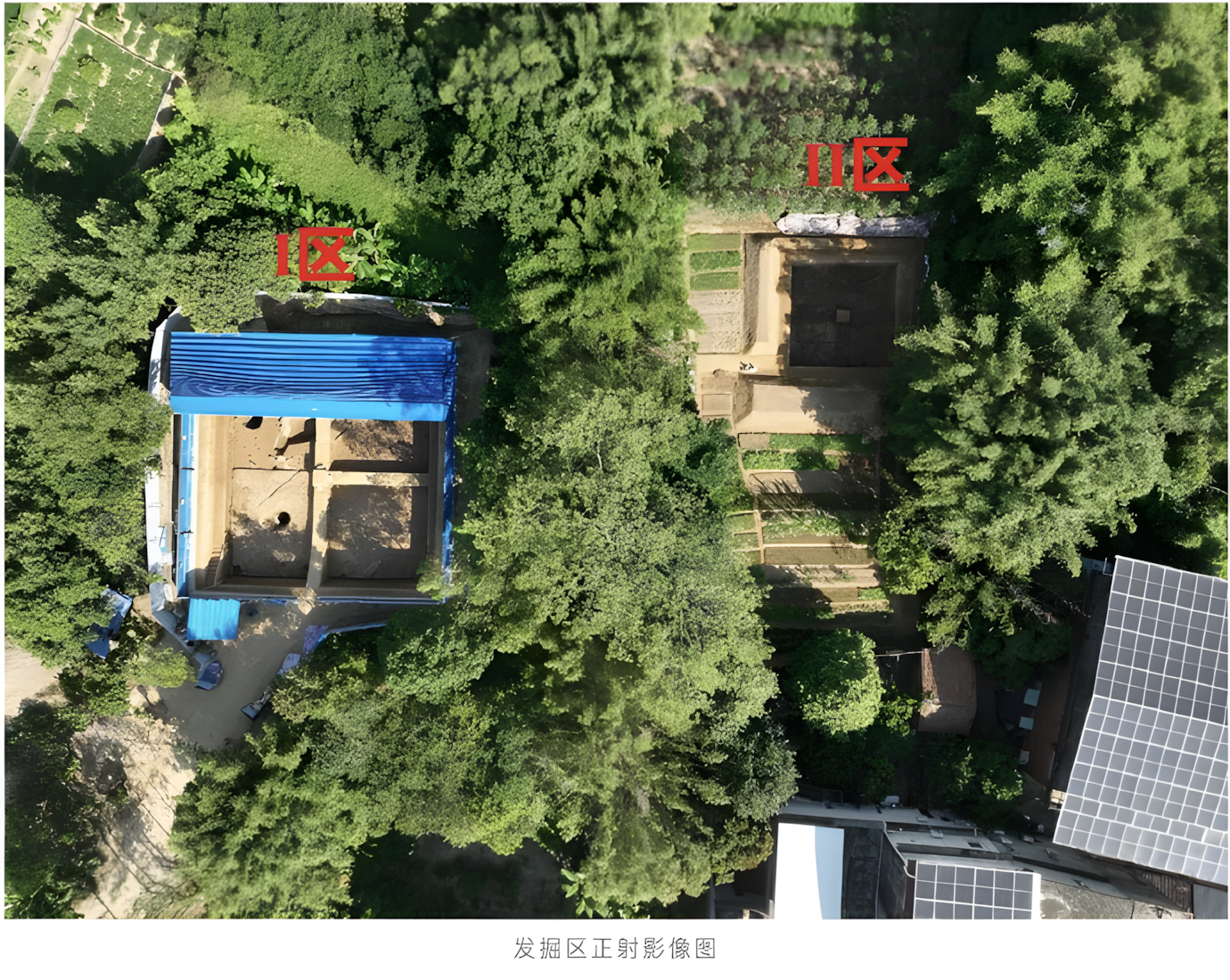
In March 2025, with the approval of the State Administration of Cultural Heritage, the Guangdong Provincial Institute of Cultural Relics and Archaeology and other institutions conducted a rescue excavation of the Luoyang Site in Boluo County, Huizhou, covering a total area of 500 square meters.
Located on the alluvial plain at the southern foot of Luofu Mountain, the site, along with the Yingang Kiln Site and the Meihuadun Kiln Site, forms a complex of handicrafts and settlements from the Spring and Autumn and Warring States periods.
Facing challenges such as frequent typhoons, high groundwater levels, and deep strata, the archaeological team innovatively adopted an electric protective shed and a scientific drainage system to ensure the smooth progress of the excavation of the 2.5-meter-deep cultural layer, providing a reference for the excavation of similar sites in Lingnan.
The stratigraphic sequence of this excavation is clear, and can be divided into four periods from bottom to top: the late Spring and Autumn Period to the early Warring States Period, the Warring States Period, the Song Dynasty, and the Ming and Qing Dynasties.
More than 850 artifacts and over 400 boxes of pottery shards were unearthed at the site; 194 remains were discovered, including the foundation of a large "U"-shaped platform-style building and a Warring States period well.
Among the unearthed artifacts, fragments of pottery basins with hunting scenes and pottery figurines depicting the typical "Tui Jie Ji Ju" (魋结箕厨) figure of the ancient Yue people are of great value, providing concrete evidence of the lifestyle of the ancient Yue people.
The excavation of this site provides a solid material foundation for the study of the "Sinicization" process in Lingnan, regional settlement patterns, and the diverse yet unified pattern of the Chinese nation.
'NEWS & THESIS' 카테고리의 다른 글
| 세계의 지붕 티벳 고원 4300미터 고지서 구석기인 흔적 확인 (0) | 2025.12.26 |
|---|---|
| 산서성 최근 5년 주요 고고학 발굴 성과 (0) | 2025.12.26 |
| 진 시황제 아방궁은 습지였다! (1) | 2025.12.26 |
| 1,400년 전 기독교 성지 순례 관광용품 찍어낸 거푸집 유대사막서 발견 (0) | 2025.12.26 |
| 과테말라 마야 도시서 모자이크 파톨리 게임판 발견 (1) | 2025.12.26 |


댓글