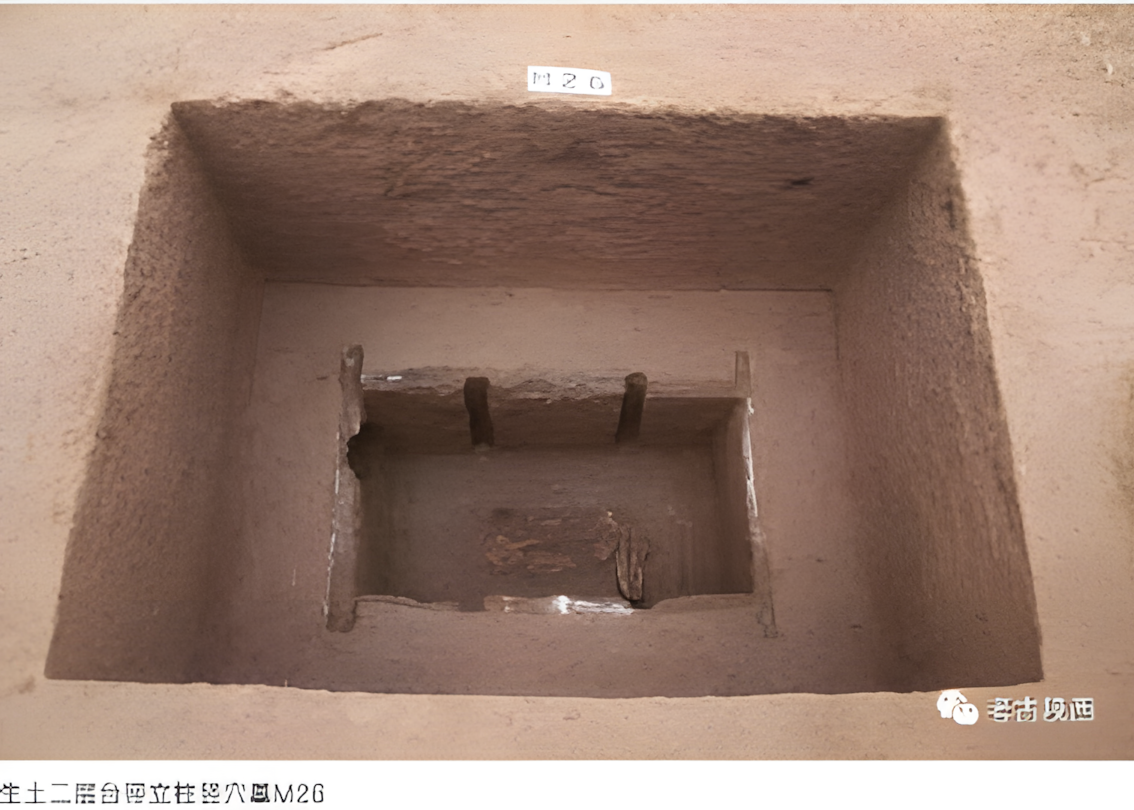
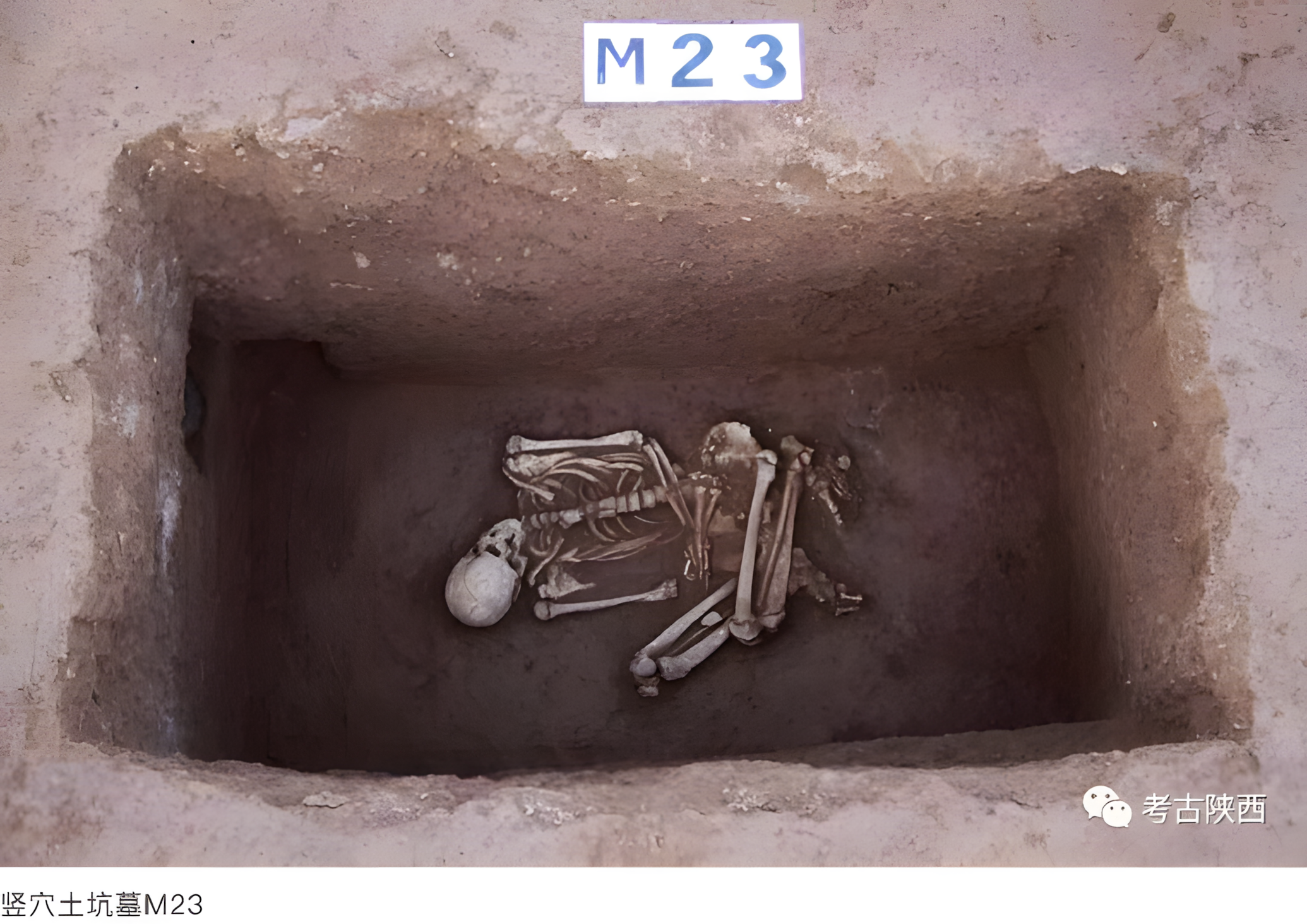
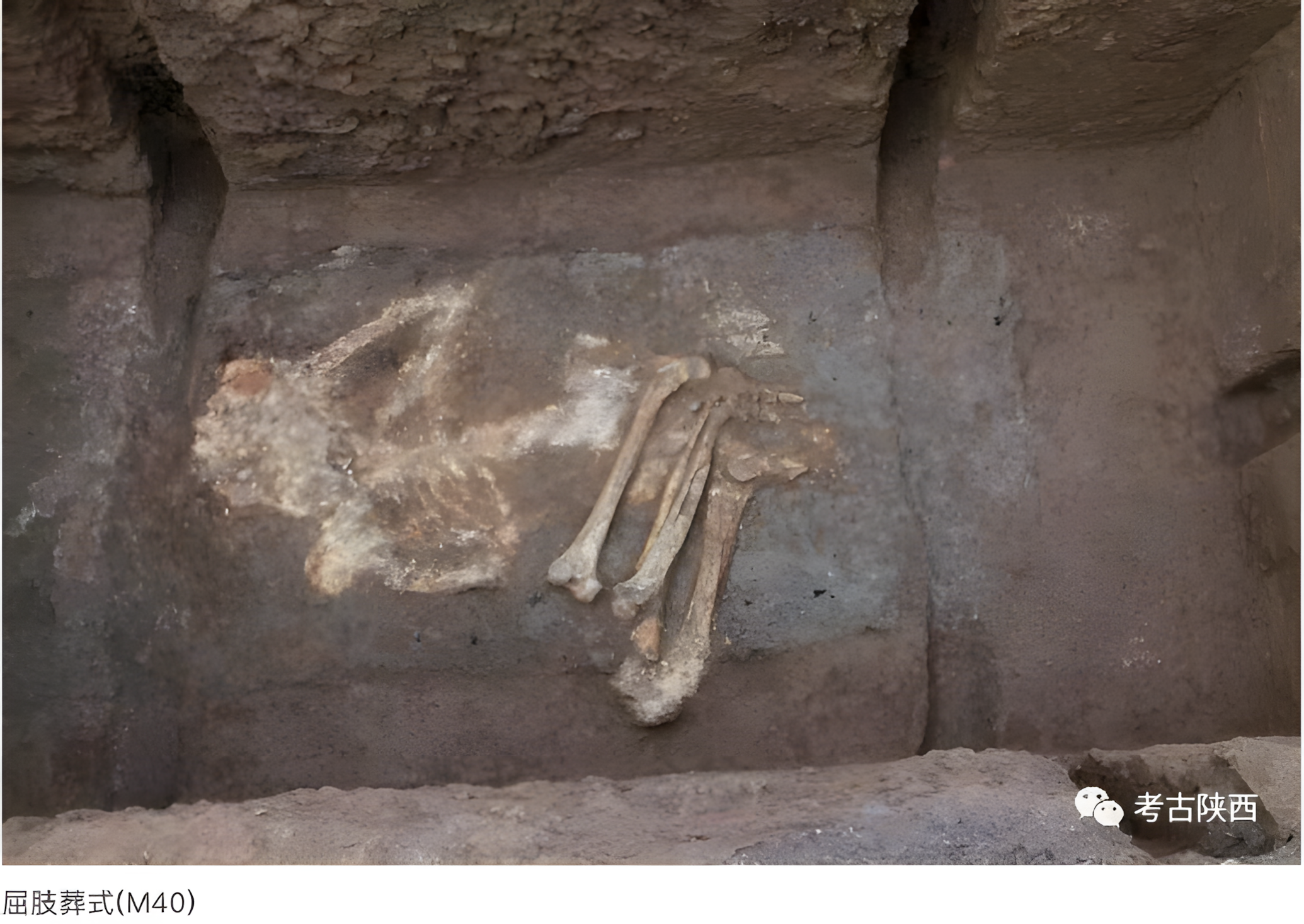
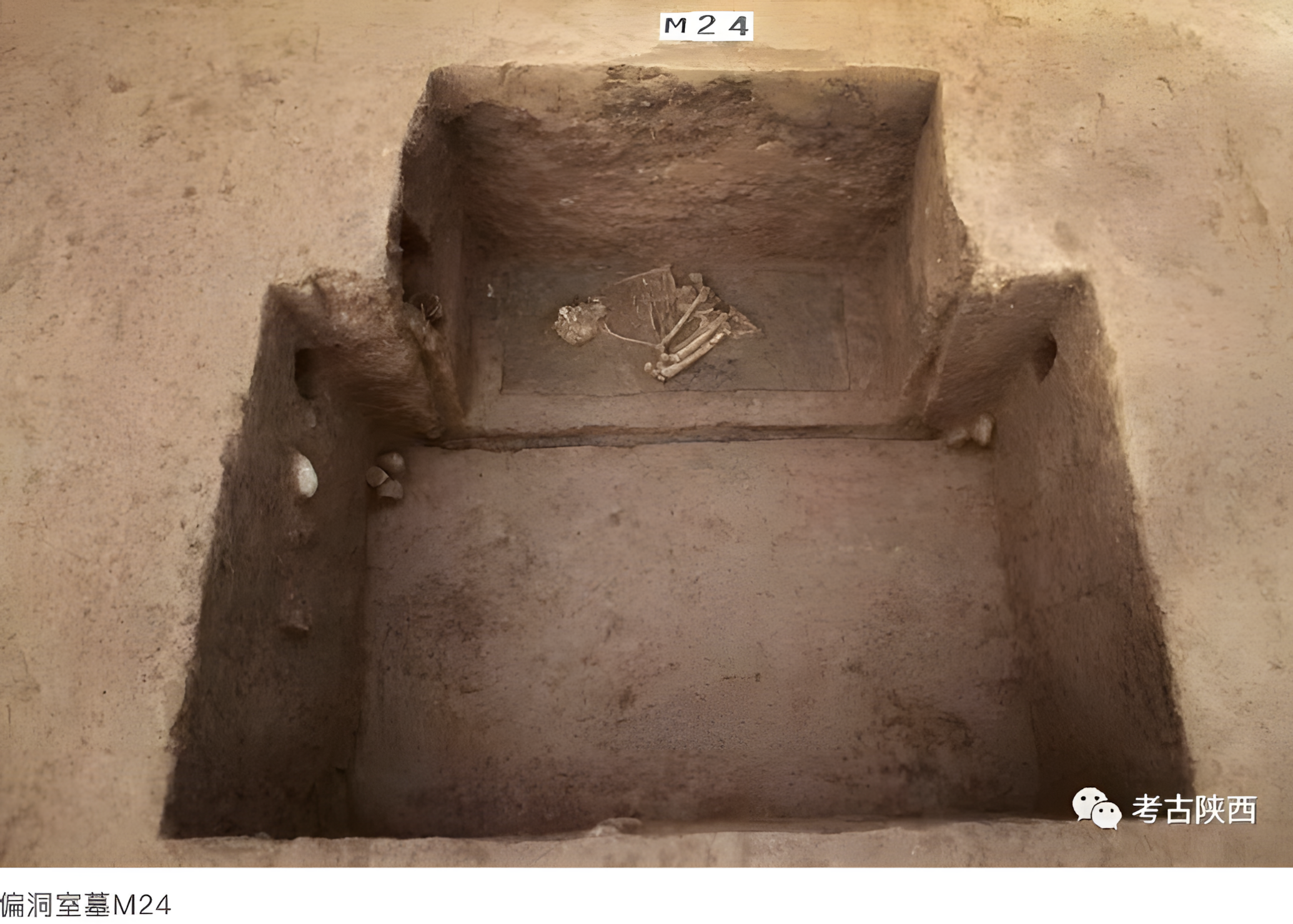
섬서성 문물국은 최근 보압宝鸡에 있는 곽가애묘지郭家崖墓地에서 발굴된 115개 무덤에 대한 최신 고고학 연구 결과를 발표했다.
이 중 81개가 동실묘洞室墓로 전체 70%를 차지하여, 이 고분에서는 동실묘가 주된 장례 형태였음을 보여준다.
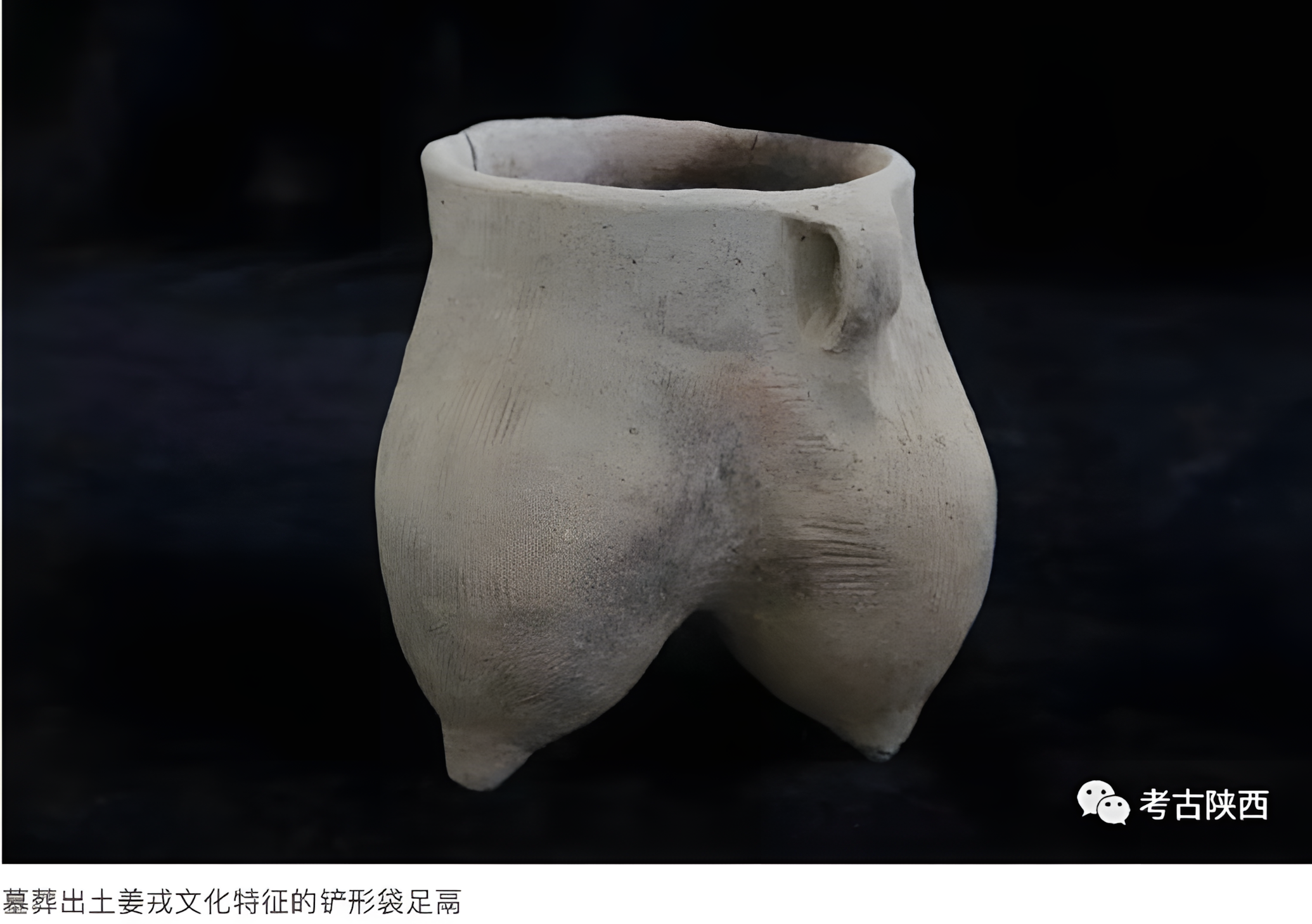
나무틀이 있는 매장 용기[광가식 장구框架式葬具], 묘석을 세우는 풍습葬石习俗, 그리고 목이 길고 받침이 있는 력[高领袋足鬲]과 같은 부장품은 강융姜戎 문화의 연속성을 반영한다.
매장 양식이 확인된 101개 무덤 중에서는 97%가 구부린 자세로 매장[屈肢葬]되었는데, 이는 강융 문화의 전통적인 앙와위 매장[仰身直肢葬]과는 대조적이며 진秦 문화 영향을 보여준다.
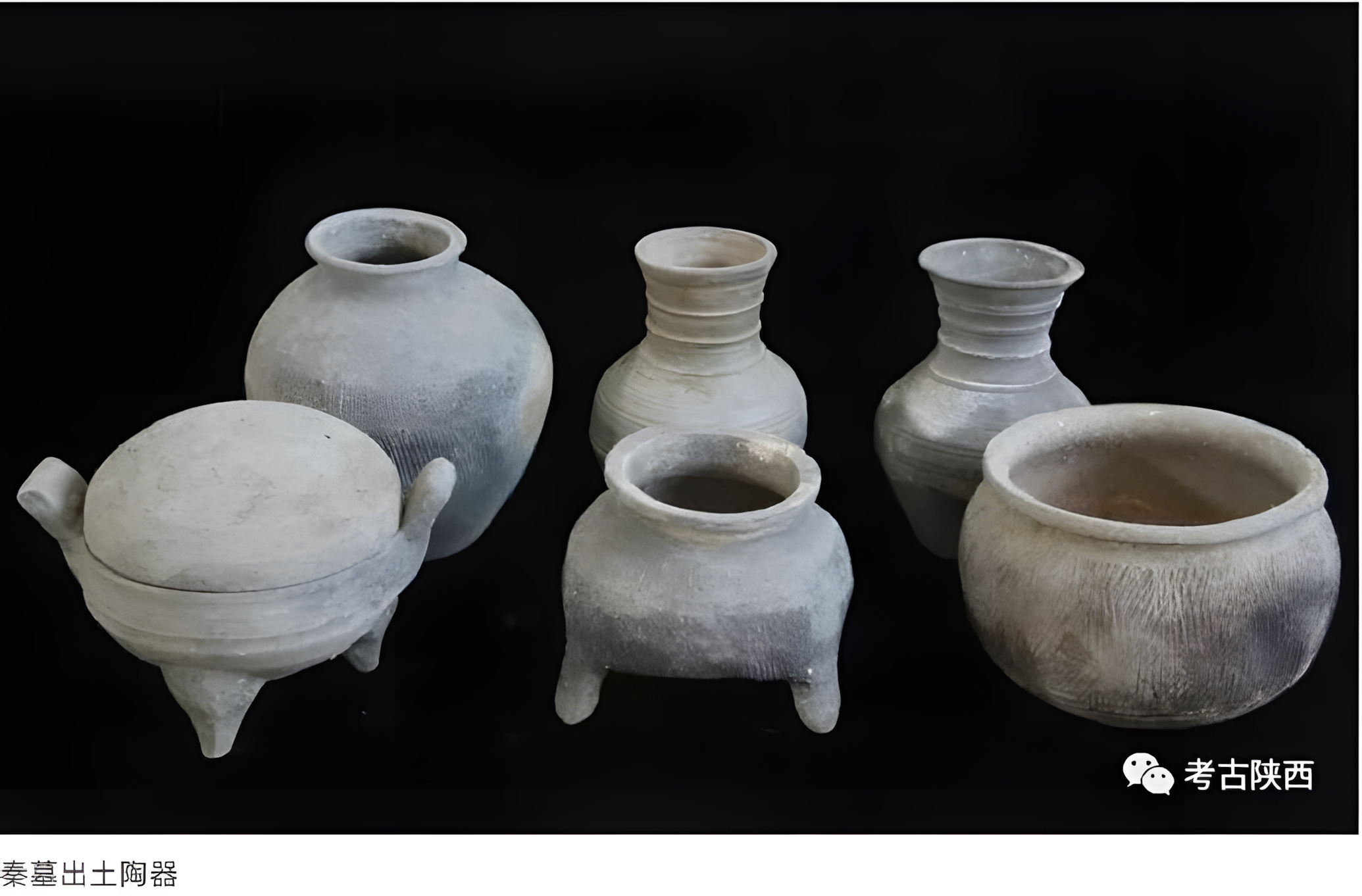
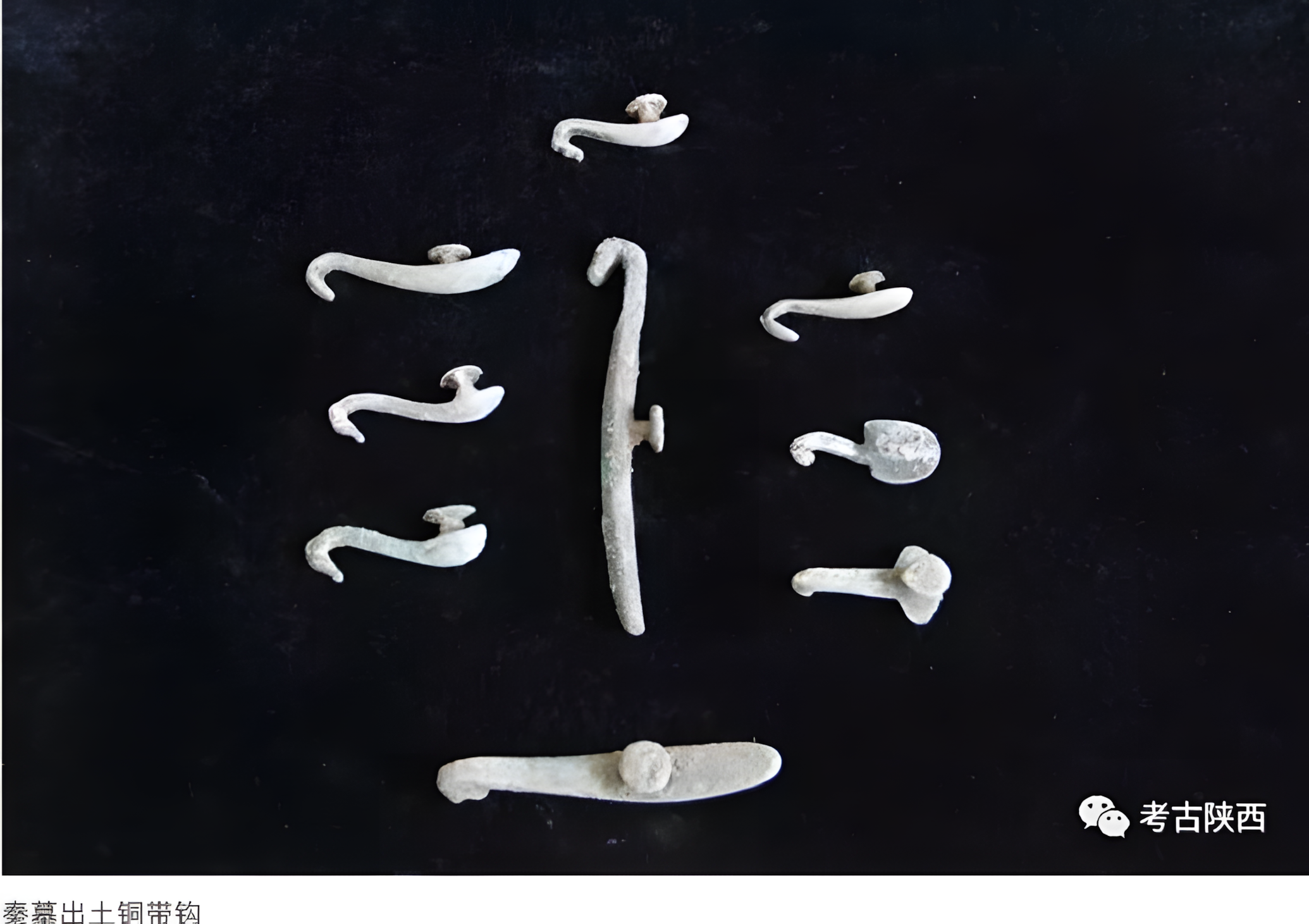
발굴된 청동 방울[铜铃], 도기 솥[陶釜], 도기 항아리[陶壶], 반량전半两钱은 전형적인 진나라 무덤[秦墓] 유물과 유사하며 전통적인 강융 유물과 함께 발견되었다.
연구에 따르면 진秦과 융戎간 문화적 융합은 단순한 연속이나 기계적인 복제가 아니라 통일된 정치적 틀 안에서 이루어진 창조적 변혁이었다.
곽가 애묘[분郭家崖墓地]는 전국시대 강융족의 문화적 적응 과정을 보여주며, 다양하면서도 통일된 중국 민족의 형성과정을 보여주는 축소판이자 중국 문명의 통일성, 포용성, 그리고 혁신성을 부각시킨다.
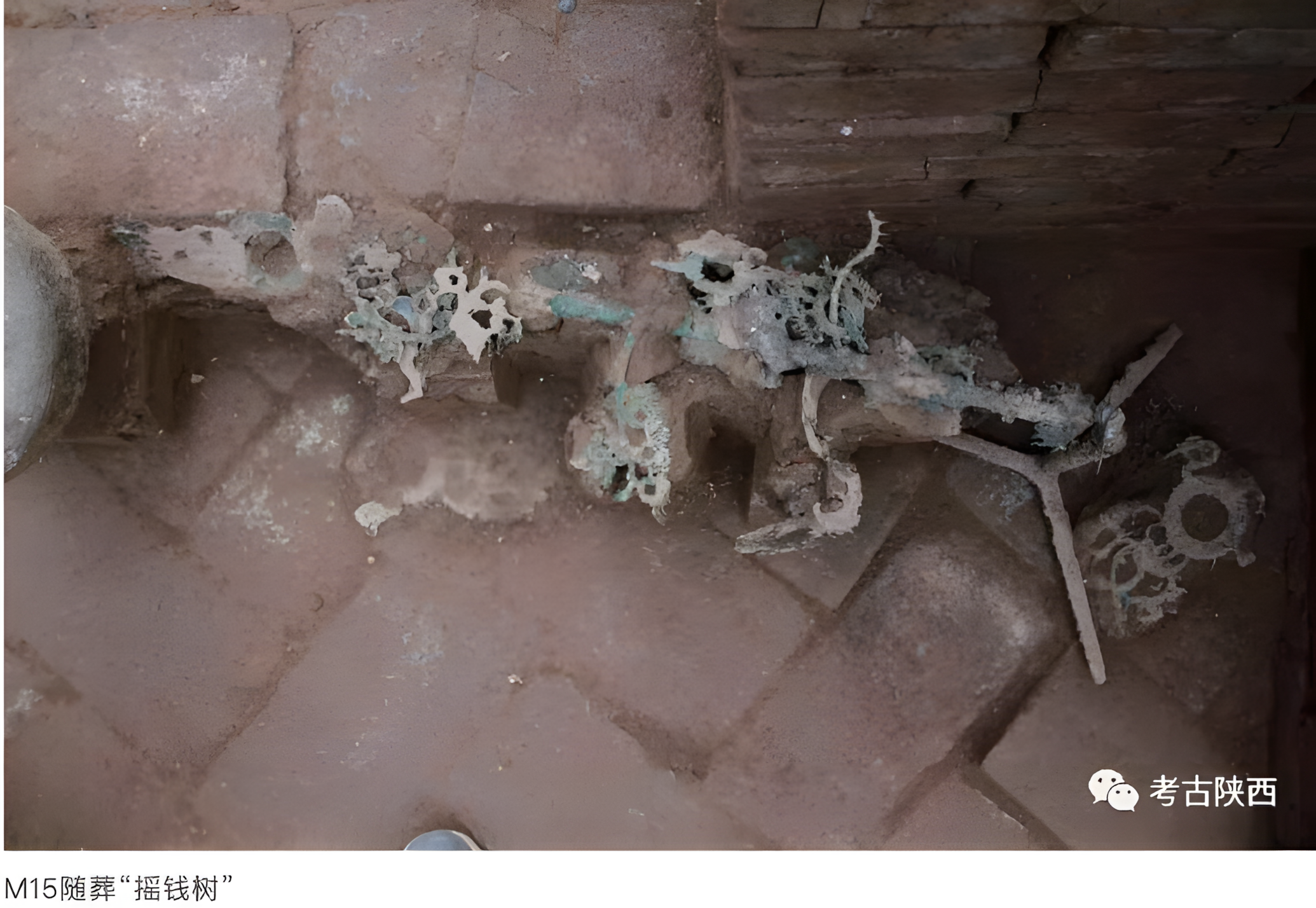
발굴품 중에는 돈나무라 하는 요전수搖錢樹가 보인다.
陕西省文物局近日发布宝鸡郭家崖墓地最新考古研究成果,聚焦该墓地北区与南区发掘的115座墓葬。其中洞室墓81座,占比70%,表明洞室墓是该墓地的主流形制。框架式葬具、葬石习俗及高领袋足鬲等随葬器物,体现了姜戎文化的延续性。在可辨别葬式的101座墓葬中,屈肢葬占比高达97%,与姜戎传统仰身直肢葬形成对比,反映出秦文化的渗透;出土的铜铃、陶釜、陶壶及半两钱等,与典型秦墓器物相近,且与姜戎传统器物并存。研究表明秦戎文化交融并非简单延续或机械复制,而是统一政治框架下的创造性转化。郭家崖墓地的发现,展现了战国时期姜戎族群的文化调适历程,成为中华民族多元一体格局形成的缩影,彰显中华文明的统一性、包容性与创新性.
The Shaanxi Provincial Cultural Relics Bureau recently released the latest archaeological research findings from the Guojiaya Cemetery in Baoji, focusing on 115 tombs excavated in the northern and southern areas of the cemetery. Among them, 81 were cave tombs, accounting for 70%, indicating that cave tombs were the mainstream form at the cemetery.
Framed burial containers, the custom of burial stones, and funerary objects such as high-necked, bag-footed li (a type of cooking vessel) reflect the continuity of the Jiangrong culture. In the 101 tombs with identifiable burial styles, flexed burials accounted for as high as 97%, contrasting with the traditional supine, extended burial of the Jiangrong, reflecting the influence of Qin culture.
The unearthed bronze bells, pottery cauldrons, pottery jugs, and Banliang coins are similar to typical Qin tomb artifacts and coexist with traditional Jiangrong artifacts.
Research indicates that the cultural integration between the Qin and Rong peoples was not a simple continuation or mechanical replication, but rather a creative transformation within a unified political framework.
The discovery of the Guojiaya cemetery reveals the cultural adaptation process of the Jiang Rong ethnic group during the Warring States period, serving as a microcosm of the formation of the diverse yet unified pattern of the Chinese nation and highlighting the unity, inclusiveness, and innovation of Chinese civilization.
'NEWS & THESIS' 카테고리의 다른 글
| 발 벌리는 너구리를 조심하라! 유럽 9개국서 특히 어린이한테 치명적인 회충 발견 (0) | 2025.12.20 |
|---|---|
| 고대 중국 동전 10만 점을 쏟아낸 2023년의 일본 군마현 (0) | 2025.12.20 |
| 몽골 광물 지질 조사에서 3천 년 된 유목민 키르기수르Khirgisuur 무덤 발견 (0) | 2025.12.19 |
| 5,000년 전 신석기시대 나무 어망 시설 덴마크서 발견 (0) | 2025.12.19 |
| 마케도니아 본따 켈트가 만든 초기 금화 스위스서 발굴 (0) | 2025.12.19 |


댓글